Honey bees (Apis mellifera) are vital pollinators essential to global agriculture and ecosystems. However, honey bee colonies face numerous threats from pests and diseases that can severely impact hive health and productivity. Understanding the common disease of bees and associated honey bee pests is crucial for effective management and preservation of healthy bee colonies.
Common Honey Bee Pests and Diseases
Varroa Mite (Varroa destructor and Varroa jacobsoni)
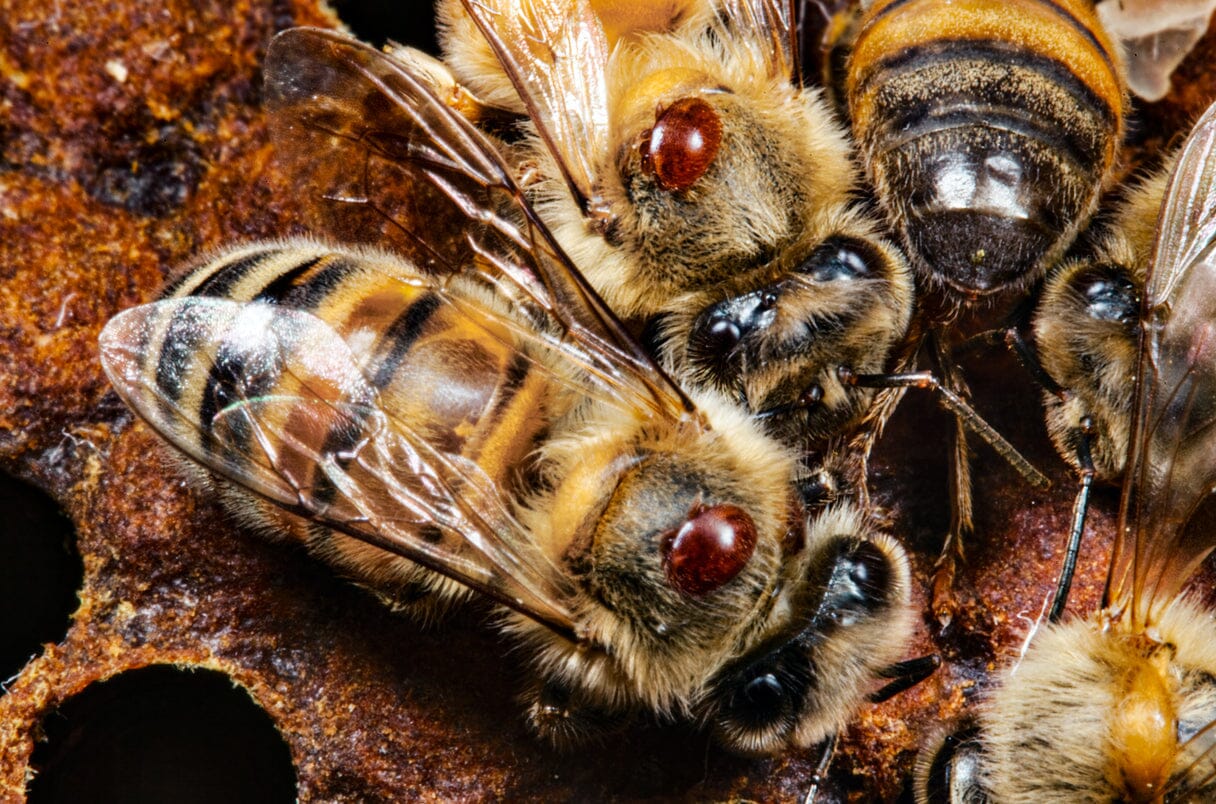
The varroa mite is one of the most destructive external parasites affecting honey bees worldwide. These parasitic mites feed on the fat bodies of adult bees, bee larvae, and pupae within brood cells, weakening individual bees and spreading harmful viruses such as deformed wing virus and chronic bee paralysis virus. Heavy infestations can decimate hive populations and lead to colony collapse disorder. Monitoring for varroa mites and timely chemical treatments are essential to control their spread.
Small Hive Beetle (Aethina tumida)
Small hive beetles are invasive pests that damage honey bee colonies by feeding on brood combs, pollen, and honey. Adult beetles and larvae contaminate the hive environment, leading to fermentation of honey and destruction of brood combs. Early detection and management strategies help prevent infestation and protect hive health.
American Foulbrood (Paenibacillus larvae)
American foulbrood is a spore-forming bacterium disease that affects bee brood. It is highly contagious and deadly to infected larvae, which die after their cells are capped. Infected larvae turn coffee brown to black and form tough scales that can remain infectious for decades. Beekeepers must practice strict hygiene and follow local regulations to manage and prevent the spread of this disease.
European Foulbrood (Melissococcus plutonius)
European foulbrood is a bacterial disease affecting bee larvae, often considered a stress-related disease. It causes irregular brood patterns, and infected larvae die before their cells are sealed. Unlike American foulbrood, it does not form spores but can persist on brood combs. Proper hive management and, if necessary, antibiotic treatments can control outbreaks.
Nosema Disease (Nosema apis and Nosema ceranae)
Nosema species are microsporidian parasites infecting the digestive tract of adult honey bees, causing dysentery and reduced hive productivity. Nosema apis is more common in cooler climates, while Nosema ceranae has a wider distribution and can be more harmful. Enhancing hive ventilation and feeding practices can help reduce infection rates.
Chalkbrood (Ascosphaera apis)
Chalkbrood is a fungal disease affecting bee brood, causing larvae to die and harden into chalk-like mummies. It is more prevalent during wet springs and can weaken colonies by reducing brood viability. Good hive ventilation and removal of infected brood combs are effective control measures.
Sacbrood Virus
Sacbrood virus infects bee larvae, causing them to die after their cells are capped. Infected larvae become sac-like and discolored, often removed quickly by adult bees. While sacbrood rarely causes severe losses, monitoring and maintaining strong colonies help minimize its impact.
Other Honey Bee Pests and Threats
Tracheal Mites (Acarapis woodi)
These internal parasites infest the breathing tubes of adult honey bees, impairing respiration and weakening bees. Grease patties and menthol treatments can help control tracheal mite infestations.
Bee Louse (Braula coeca)
The bee louse is a minor pest, a wingless fly that lives on adult bees. It generally causes little harm but can be a nuisance in some colonies.
Wax Moths (Galleria mellonella and Achroia grisella)
Wax moth larvae feed on beeswax combs, damaging stored combs and weakening colonies. Freezing combs and maintaining strong hives help prevent wax moth damage.
Exotic Bee Pests and Biosecurity
The introduction of exotic bee pests such as the Asian honey bee and invasive mites poses significant risks to western honey bee populations. Early detection of exotic pests and reporting to the exotic plant pest hotline are critical to prevent establishment and spread. Beekeepers should remain vigilant and follow biosecurity guidelines to protect their hives.
Signs and Symptoms of Disease in Bees
Recognising signs such as diseased larvae, dead larvae, dead bees, sunken or perforated brood cappings, irregular brood patterns, and the presence of adult mites or adult flies is vital for early diagnosis. Inspecting sealed and unsealed brood regularly, especially in early spring, helps in timely intervention against brood diseases.
Integrated Pest Management and Control Strategies
Effective management combines regular hive inspections, chemical treatments for parasites like varroa mites, biological controls, good hive hygiene, and environmental management to reduce stress and improve colony resilience. Cooperation with local authorities and adherence to Australian government biosecurity measures further enhance disease control efforts.
Conclusion
Managing disease of bees requires vigilance, knowledge, and proactive measures. Awareness of honey bee pests and diseases such as varroa mites, small hive beetles, foulbrood, viral infections including acute bee paralysis virus and black queen cell virus, and other threats is essential for maintaining healthy honey bee colonies. By implementing best practices and collaborating with local authorities, beekeepers can safeguard their bees and contribute to the sustainability of pollination services worldwide.
If you want to learn more about beekeeping in Australia, read our article here.