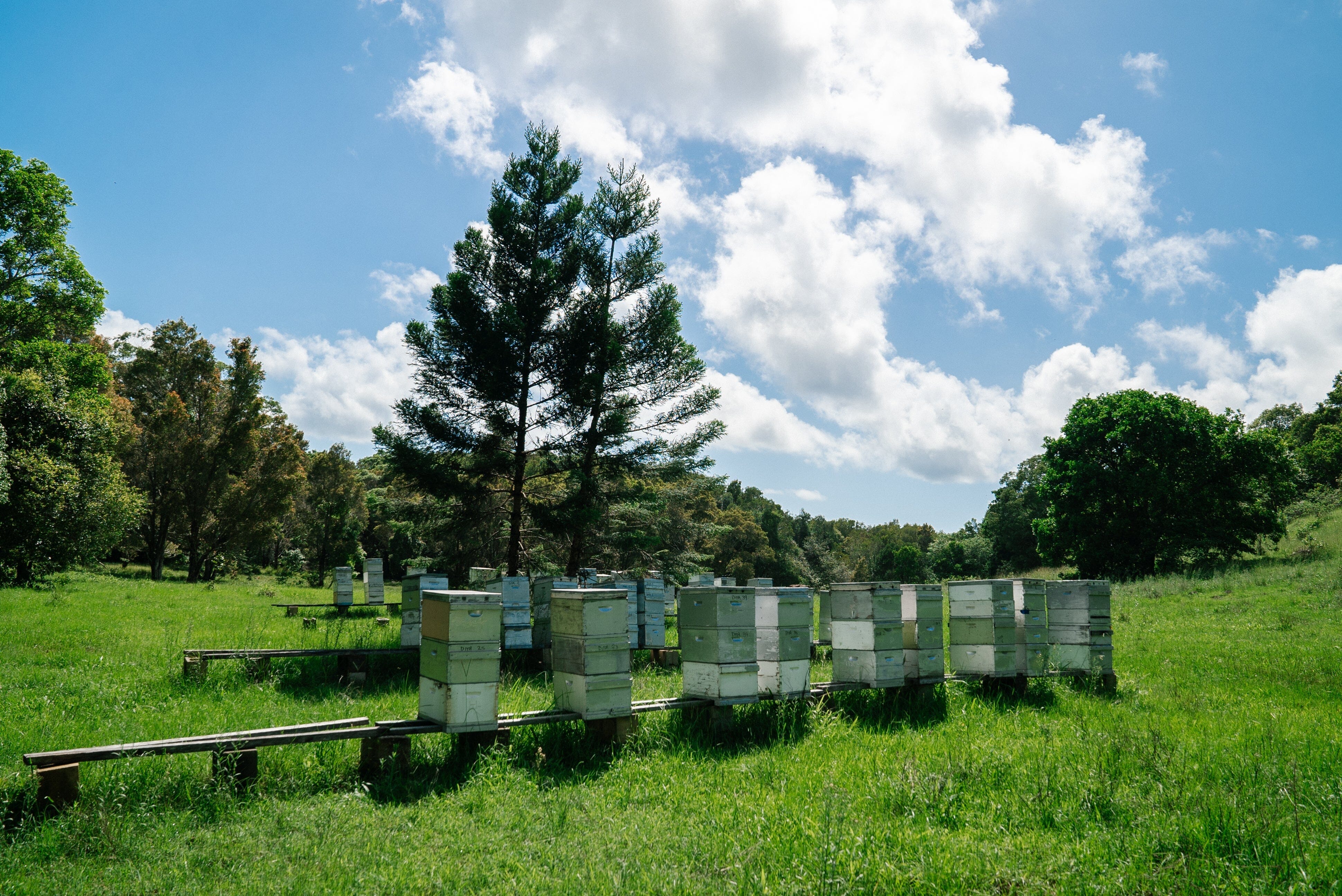
Varroa destructor mite is an external parasitic mite that poses a significant threat to honey bees, especially European honey bees (Apis mellifera). This tiny reddish-brown mite feeds on the fat body of adult bees and developing honey bee brood, weakening colonies and spreading dangerous honey bee viruses such as deformed wing virus. Since its introduction into many parts of the world, including Australia, the varroa mite has become one of the most damaging pests affecting the Australian honey bee industry and pollination reliant industries globally.
What is Varroa Destructor Mite?
The varroa destructor mite (often simply called varroa mite) is a parasitic mite that attacks honey bee colonies. Adult female mites are reddish-brown, about 1.1 mm long and 1.7 mm wide, and have a flat, scallop shell-like shape allowing them to fit between the abdominal segments of adult bees. Male mites are smaller and lighter in colour. Varroa mites reproduce exclusively within honey bee brood cells, where they lay eggs and feed on developing bee larvae and pupae.

Life Cycle of Varroa Destructor
Varroa mites reproduce inside sealed brood cells, preferring drone brood cells but also infesting worker brood cells. The female mite enters a brood cell just before it is capped, buries herself in the larval food, and lays eggs — the first egg is male, followed by female eggs laid at intervals. Mating occurs between siblings inside the brood cell. After the bee emerges, the mature female mites attach to adult bees (adult honey bees) to feed and disperse. This phoretic stage allows mites to spread throughout the hive and between hives.
Impact on Honey Bee Colonies
Varroa mite infestation weakens honey bee colonies by feeding on the fat body of both adult bees and developing brood. This feeding damages the bees’ immune system and reduces their lifespan. Infested bees often exhibit deformed wings, shortened abdomens, and impaired flight performance due to the transmission of viruses like deformed wing virus. Heavy mite populations lead to colony collapse if not managed effectively. Hear it from our founder, Antony.
Spread and Distribution
Originally native to Asia, where it parasitised the asian honey bee (Apis cerana), varroa destructor mite has spread worldwide, infesting European honey bees (Apis mellifera) in many countries. The mite spreads through drifting bees, robbing, swarming, and human activities such as transporting infected hives, equipment, and queen bees. In Australia, varroa destructor was first detected in New South Wales in June 2022 and has since spread to other states.
Monitoring and Detection
Beekeepers monitor mite levels using methods such as sugar shake, alcohol wash, drone uncapping, and sticky boards under screened bottom boards. Monitoring helps determine mite population thresholds to decide when to manage varroa mite infestations. Early detection is critical to prevent colony losses.
Managing Varroa Mite Infestation
Effective management of varroa mite involves an integrated pest management (IPM) approach combining chemical treatments, biotechnical methods, and breeding for resistant honey bee stock.
Chemical Treatments
Acaricides such as formic acid, oxalic acid, thymol, and synthetic miticides (amitraz, coumaphos, flumethrin) are commonly used to kill mites. However, resistance to some chemicals has developed, and residues in bee products are a concern.
Biotechnical Methods
Methods like drone brood removal, brood breaks, screened bottom boards, and heat treatments reduce mite populations without chemicals. Drone brood traps exploit mites’ preference for drone cells to remove infested brood.
Breeding Varroa-Resistant Bees
Breeding programs focus on honey bee lines exhibiting hygienic behaviour, grooming, and varroa sensitive hygiene (VSH), which help reduce mite populations naturally. Russian honey bees and other strains show increased tolerance to varroa mites.
Varroa Mite and Honey Bee Viruses
Varroa mites are vectors for numerous honey bee viruses, including deformed wing virus, acute bee paralysis virus, and slow paralysis virus. These viruses cause symptoms such as deformed wings, paralysis, and reduced colony health. Controlling mite populations is essential to limit virus spread.
National and Industry Response
The National Management Group and plant health authorities coordinate varroa mite surveillance, management programs, and education for beekeepers. Reporting suspected varroa mite presence to the exotic plant pest hotline is crucial for biosecurity.
Conclusion
The varroa destructor mite remains the most significant threat to honey bee colonies worldwide. Understanding its biology, monitoring mite populations, and adopting integrated management strategies are vital to protecting honey bees, supporting the Australian honey bee industry, and ensuring pollination security.
For more information or to report varroa mite detections, contact the Exotic Plant Pest Hotline or visit local biosecurity websites.
To learn more about what other diseases our Beekepeers are facing, read our article here.