








Key Takeaways
-
Royal jelly is a creamy, nutrient-rich substance produced by worker bees to feed queen bees and larvae
-
It contains unique proteins, fatty acids, vitamins, and minerals with potential anti-inflammatory and antioxidant properties
-
Research suggests possible benefits for menopause symptoms, heart health, blood sugar control, and immune function, though more research is needed
-
No official dosage recommendations exist, with typical supplement doses ranging from 300-6000mg daily
What is Royal Jelly?
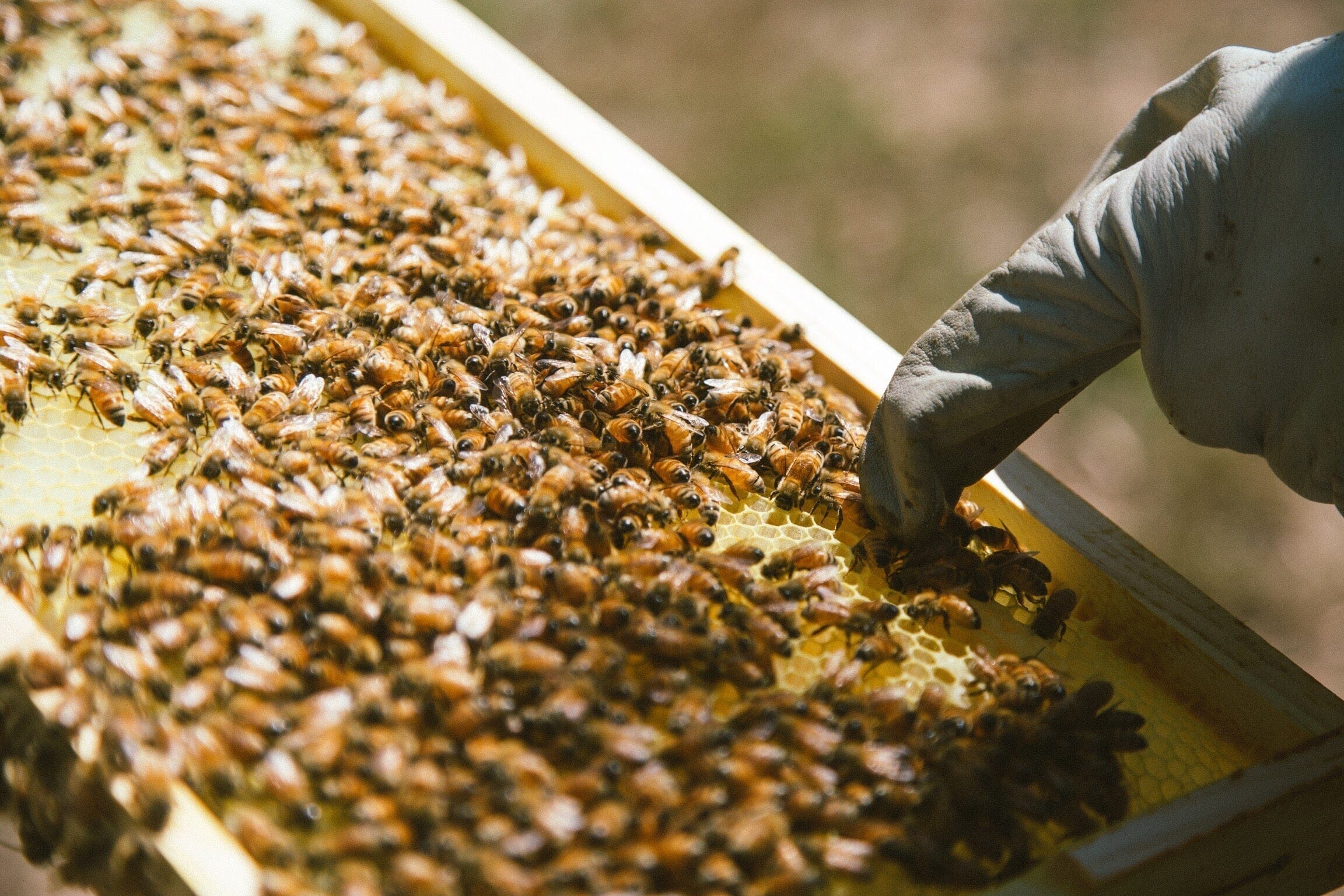
Royal jelly stands as one of nature’s most fascinating and complex substances. This milky-white, gelatinous secretion is produced exclusively by nurse bees within the honeybee colony, serving a remarkable purpose that has captivated researchers and health enthusiasts for decades.
Unlike honey, which honey bees create from flower nectar, royal jelly is a direct secretion from specialised glands in young worker bees. This creamy substance serves as the exclusive food source for queen bees throughout their entire lives, while all bee larvae receive it during their first three days of development. Only those destined to become queen bees continue receiving this nutritious substance beyond this initial period.
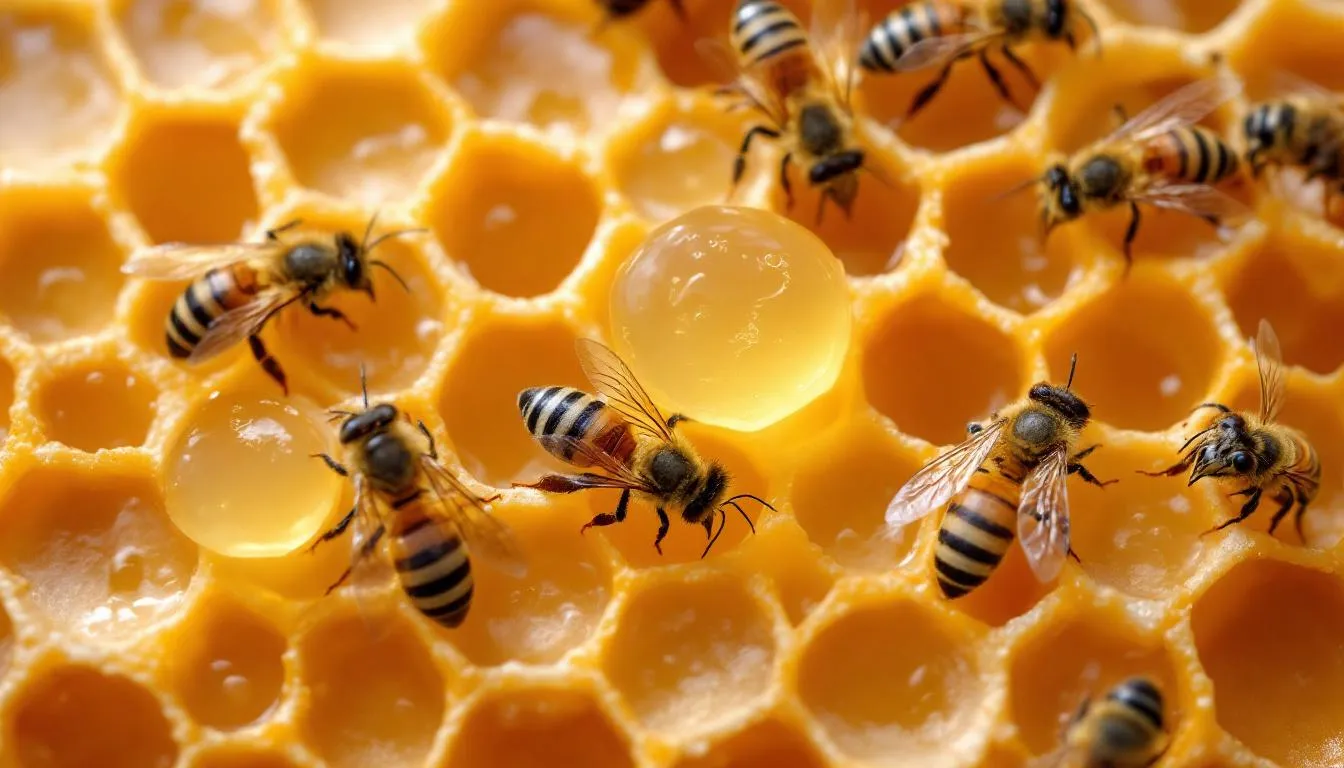
The distinction between royal jelly and other bee products is significant. While honey serves as the colony’s primary carbohydrate source and bee pollen provides proteins and nutrients, royal jelly functions as the ultimate superfood reserved for the most important members of the hive. This selective feeding directly influences which larvae develop into fertile females capable of laying eggs versus sterile worker bees.
Throughout history, traditional medicine systems across Asia, Europe, and Russia have recognised royal jelly’s unique properties. Ancient practitioners valued it as a tonic for longevity, vitality, and reproductive health, often reserving it for royalty and those seeking rejuvenation. This historical reverence for royal jelly continues today, though modern science is still uncovering the mechanisms behind its potential health claims.
How Royal Jelly is Produced
The production of royal jelly represents one of the most sophisticated biological processes within the honey bee colony. Young bees, typically aged 5-15 days, produce this remarkable substance through their hypopharyngeal and mandibular glands. These nurse bees synthesise royal jelly from their own metabolism, creating a complex mixture of proteins, fatty acids, and other bioactive compounds.
The secretion process begins when nurse bees consume honey, bee pollen, and water, transforming these basic hive materials into the sophisticated gelatinous substance known as royal jelly. The major royal jelly proteins, particularly MRJP1 or royalactin, play crucial roles in this transformation process and are responsible for many of the substance’s unique biological properties.
Commercial harvesting requires specialised beekeeping techniques that carefully extract royal jelly from special queen cells within managed hives. Beekeepers typically remove queen larvae from these cells after three days, then collect the accumulated royal jelly using small spoons or suction devices. This process must occur quickly, as royal jelly begins to degrade rapidly when exposed to light and air.
Seasonal variations significantly affect both the quantity and quality of royal jelly production. Spring and early summer typically yield the highest concentrations of bioactive compounds, including the unique fatty acid 10-hydroxy-2-decenoic acid (10-HDA), which serves as a key quality indicator. Environmental factors such as floral availability, weather conditions, and hive health all influence the nutrient composition of the final product.
Modern processing methods include freeze-drying and specialised preservation techniques that maintain the integrity of sensitive compounds like amino acids and major royal jelly proteins. These processing steps are crucial for maintaining the potency of royal jelly supplements and royal jelly extract products available in the commercial market.
Royal Jelly vs Other Bee Products
Understanding the differences between royal jelly and other bee products helps clarify why this substance commands such attention in both scientific research and the dietary supplement industry.
|
Product |
Source |
Primary Purpose |
Key Components |
Production Method |
|---|---|---|---|---|
|
Royal Jelly |
Bee glands |
Queen/larva food |
Proteins, unique fatty acids |
Direct secretion |
|
Honey |
Flower nectar |
Colony energy storage |
Simple sugars |
Processed nectar |
|
Bee Pollen |
Plant pollen |
Protein source |
Proteins, vitamins |
Collected from plants |
|
Propolis |
Plant resins |
Hive maintenance |
Flavonoids, resins |
Plant material processing |
Royal jelly’s production method sets it apart fundamentally from other bee products. While honey bees gather honey from external plant sources and collect bee pollen directly from flowers, royal jelly represents an internal metabolic product created specifically by the bees themselves. This synthesis requires young bees to transform consumed materials into an entirely new substance through their specialised glandular systems.
The nutritional density differences are equally striking. Honey consists primarily of simple carbohydrates with minimal protein content, serving as an efficient energy source for the colony. In contrast, royal jelly contains significant concentrations of proteins (12.5-41% by weight), including all essential amino acids required for proper development and growth.
Within the bee colony hierarchy, each product serves distinct purposes. Worker bees produce honey for long-term energy storage, while they collect and process bee pollen as a protein source for feeding developing larvae. Royal jelly, however, functions as the ultimate nutritional investment, reserved exclusively for queen larvae and the adult queen bee throughout her life.
The commercial applications reflect these fundamental differences. Honey serves primarily as a sweetener and food product, bee pollen markets as a general nutritional supplement, and propolis finds use in wound healing applications. Royal jelly supplements target specific health concerns related to its unique bioactive compounds and potential health benefits.
Nutritional Composition of Royal Jelly
The nutritional profile of royal jelly reveals why this substance has attracted such intense scientific interest. Water comprises 60-70% of fresh royal jelly, with the remaining components representing some of the most bioactive substances found in natural products.
Major royal jelly proteins account for the most significant portion of the dry weight, typically representing 12.5-41% of the total composition. These proteins, particularly MRJP1 through MRJP9, possess unique biological activities not found in conventional food proteins. MRJP1, also known as royalactin, demonstrates particular importance in cellular differentiation and development processes.

The amino acids profile includes all eight essential amino acids required for human nutrition, making royal jelly a complete protein source. This comprehensive amino acid content supports various physiological functions and contributes to the substance’s potential role in supporting immune function and overall health maintenance.
Royal jelly’s fatty acid composition features several unique compounds, most notably 10-hydroxy-2-decenoic acid (10-HDA). This fatty acid, comprising 1.2-3.5% of high-quality royal jelly, serves as both a quality marker and a bioactive compound associated with anti-inflammatory and antioxidant properties. International quality standards often require minimum 10-HDA levels of 1.2% for commercial royal jelly products.
The vitamin content emphasises B-complex vitamins, particularly vitamin B5 (pantothenic acid) and vitamin B6. These vitamins play crucial roles in energy metabolism, nervous system function, and hormone synthesis. Notably, royal jelly contains minimal amounts of fat-soluble vitamins (A, D, E, K), distinguishing it from many other nutritional supplements.
Trace minerals present in royal jelly include calcium, iron, zinc, and other elements essential for various metabolic processes. While present in relatively small quantities, these minerals contribute to the overall nutrient density and potential health benefits of royal jelly supplementation.
Geographic origin and seasonal factors create significant variations in nutritional composition. Royal jelly produced during peak flowering seasons typically contains higher concentrations of bioactive compounds, while regional differences in plant species and environmental conditions influence the specific amino acid and fatty acid profiles.
Health Benefits of Royal Jelly
Heart Health and Cholesterol
Current research suggests royal jelly may offer significant cardiovascular benefits, particularly in managing cholesterol levels and blood pressure. Clinical studies have demonstrated potential reductions in LDL cholesterol levels, with some trials showing improvements of 10-15% in participants taking royal jelly supplements over 8-12 week periods.
The mechanisms behind these cardiovascular effects appear to involve royal jelly’s unique fatty acids and peptides, which may help relax smooth muscle tissue in blood vessels. This vasodilatory action could contribute to lower blood pressure readings observed in both animal studies and preliminary human trials.
Research involving healthy subjects has shown that regular royal jelly supplementation may support overall cardiovascular function through its antioxidant properties. The major royal jelly proteins appear to help reduce oxidative stress on arterial walls, potentially supporting long-term heart health and circulation.
Blood Sugar Control and Diabetes
Studies investigating royal jelly’s effects on blood sugar control have yielded promising results for individuals with metabolic concerns. Research has demonstrated potential improvements in insulin sensitivity, with one human study showing a 20% reduction in fasting blood glucose levels among participants taking royal jelly supplements.
Animal studies have provided additional insights into royal jelly’s anti-diabetic mechanisms. Research suggests that royal jelly may help protect pancreatic tissue from damage while supporting the body’s natural insulin production capabilities. These effects appear related to the anti-inflammatory properties of specific amino acids and fatty acids found in royal jelly.
The potential benefits extend to diabetic foot ulcers, where topical royal jelly applications have shown promise in supporting wound healing processes. Early research indicates that applying royal jelly to affected areas may promote tissue repair and reduce infection risks, though more extensive clinical trials are needed to confirm these effects.
Brain Function and Cognitive Health
Emerging research on royal jelly’s neuroprotective properties suggests potential benefits for brain function and cognitive health. Animal studies have demonstrated that royal jelly supplementation may support memory formation and help reduce stress hormone levels that can negatively impact cognitive performance.
The unique fatty acid composition, particularly 10-HDA, appears to provide antioxidant protection for neural tissue. This protective effect may be relevant for age-related cognitive decline and neurodegenerative conditions, though human studies are still in early stages.
Immune System Support
Royal jelly demonstrates notable antimicrobial and immune-supporting properties in laboratory studies. The major royal jelly proteins exhibit natural antibacterial activity against various pathogens, while specific peptides show antiviral effects in test-tube research.
These immune-supporting effects appear to work through multiple mechanisms, including enhancement of the body’s natural immune response and direct antimicrobial action. Royal jelly may help support immune function by providing essential amino acids required for immune cell production and function.
Clinical research has suggested that royal jelly supplementation might help reduce the frequency and severity of common respiratory infections, though larger human trials are needed to confirm these protective effects against foreign bacteria and viruses.
Menopause Symptom Relief
Royal jelly has gained attention for its potential phytoestrogen activity and ability to help manage menopause symptoms. Clinical studies involving postmenopausal women have shown promising results for reducing hot flashes, improving mood stability, and supporting better sleep quality.
Double-blind trials have demonstrated that royal jelly supplementation may help alleviate vaginal dryness and other uncomfortable menopausal symptoms. These effects appear related to royal jelly’s mild estrogenic activity, which may help balance hormone levels during the menopausal transition.
Research has also indicated potential benefits for reducing back pain and anxiety in postmenopausal women taking royal jelly supplements. While these studies show promise, healthcare providers typically recommend discussing royal jelly use with qualified professionals before beginning supplementation for menopausal symptoms.
Skin Health and Wound Healing
The skin health benefits of royal jelly stem from its ability to stimulate collagen production and provide antibacterial protection. Research has shown that topical royal jelly applications may support skin repair processes and help prevent wound infections through natural antimicrobial compounds.
Studies on UV protection suggest that royal jelly may offer some defense against sun damage when applied topically. The antioxidant properties help protect skin cells from oxidative damage that contributes to premature aging and skin deterioration.
Royal jelly has shown potential for treating inflammatory skin conditions, with research indicating benefits for conditions like atopic dermatitis and other irritation-related skin problems. The anti-inflammatory effects of specific peptides and fatty acids may help calm irritated skin and support healing processes.
Eye Health and Dry Eyes
Recent research has explored royal jelly’s potential benefits for eye health, particularly in addressing dry eye conditions. Small human trials have demonstrated that royal jelly supplementation may help increase tear secretion in individuals with dry eye symptoms.
Animal studies have provided additional support for royal jelly’s benefits in treating dry eye conditions, showing improvements in tear quality and eye surface health. These effects appear related to the anti-inflammatory properties of royal jelly components.
Clinical research protocols have typically used specific dosage ranges for eye health applications, though more extensive trials are needed to establish optimal dosing and long-term safety profiles for ophthalmic applications.
Dosage and Available Forms
Common supplement forms include fresh royal jelly and encapsulated products. Fresh royal jelly offers the highest concentration of bioactive compounds but requires refrigeration and has a limited shelf life. Freeze-dried powder provides stability and convenience while maintaining most of the beneficial compounds. Capsulated forms offer precise dosing and extended shelf life.
Research studies have typically employed dosage ranges from 300-6000mg daily, with most clinical trials utilising doses between 1000-3000mg per day. Starting with lower doses (300-500mg daily) and gradually increasing allows individuals to assess tolerance while minimising potential adverse effects.
Quality considerations become crucial when selecting royal jelly supplements. Products should specify 10-HDA content, with quality royal jelly containing at least 1.2% of this unique fatty acid. Third-party testing for purity and potency helps ensure product quality and safety.
Storage requirements vary by product form. Fresh royal jelly requires refrigeration and should be consumed within several weeks of opening. Freeze-dried powder and capsules can be stored at room temperature but should be kept away from light and moisture to maintain potency.
Who Should Avoid Royal Jelly
Several groups should exercise particular caution or avoid royal jelly supplementation entirely due to increased risks of adverse effects.
Individuals with bee product allergies should avoid royal jelly, as cross-reactivity with other bee products like honey, bee pollen, and bee venom is common. Those with hay fever or other environmental allergies may also face increased risks of allergic reactions.
People with hormone-sensitive conditions, particularly estrogen receptor-positive breast cancer, should consult healthcare providers before using royal jelly due to its mild estrogenic activity. The phytoestrogen effects could potentially interfere with hormone-sensitive treatments.
Pregnant and breastfeeding women should avoid royal jelly due to insufficient safety data for these populations. The potential effects on fetal development and infant health remain unknown.
Patients taking blood-thinning medications like warfarin should exercise caution, as royal jelly may enhance anticoagulant effects and increase bleeding risks. Similarly, individuals on blood pressure medications should monitor for potential hypotension when combining treatments.
Children under 5 years old should not receive royal jelly supplements due to increased allergy risks and limited safety data in pediatric populations. Young bees produce royal jelly specifically for developing bee larvae, but human children may respond differently to these concentrated compounds.
Those with asthma or other respiratory conditions face elevated risks of experiencing breathing difficulties or other respiratory complications from royal jelly supplementation.
FAQ
How long does royal jelly last and how should it be stored?
Fresh royal jelly has a limited shelf life and must be refrigerated, typically lasting 2-3 weeks when properly stored. Freeze-dried royal jelly powder can last 2-3 years when stored in a cool, dry place away from light. Always check expiration dates and store products according to manufacturer instructions to maintain potency.
Can royal jelly be taken with other supplements or vitamins?
Royal jelly can generally be taken with most vitamins and supplements, but it’s important to space doses apart from iron supplements as they may interfere with absorption. Always consult with a healthcare provider before combining royal jelly with other supplements, especially if you’re taking medications for chronic diseases or have underlying health conditions.
What’s the difference between fresh royal jelly and freeze-dried powder in terms of effectiveness?
Fresh royal jelly contains the highest concentration of bioactive compounds and maintains the natural structure of major royal jelly proteins. However, freeze-dried powder retains most beneficial properties while offering better stability and convenience. Both forms have shown effectiveness in clinical studies, though fresh royal jelly may have slightly higher potency for certain applications.
How can I tell if I’m allergic to royal jelly before taking it?
Start with a very small amount (less than 100mg) and monitor for any reactions over 24-48 hours. Signs of allergic reactions include skin rash, itching, digestive upset, or breathing difficulties. People with known allergies to bee products, honey, or bee pollen should perform an allergy test with their healthcare provider before taking royal jelly.
Is royal jelly suitable for vegetarians and vegans?
Royal jelly is an animal-derived product created by honey bees, so it’s not considered suitable for vegans. Some vegetarians may choose to include bee products in their diets, but this depends on individual dietary preferences and ethical considerations regarding bee product consumption.
Explore Natural Life products, trusted bee product experts since 1996.
For the complete range of Natural Life's Royal Jelly products, visit https://naturallife.com.au/collections/royal-jelly
We ship worldwide!