Honeycomb is made from beeswax, secreted by worker bees. These hexagonal cells efficiently store honey and house larvae. If you’re curious about what is honeycomb made of, learn how bees create this marvel and its many uses.
Key Takeaways
-
Honeycomb is primarily made of beeswax, which is secreted by worker bees and forms a hexagonal structure that optimises space and resource efficiency within the hive.
-
Producing beeswax is an energy-intensive process requiring a significant amount of honey, emphasising the importance of nectar collection for the hive’s survival.
-
Honeycomb serves multiple vital functions in the hive, including storage of honey and pollen, and acting as nurseries for developing larvae, making it essential for colony health and productivity.

The Composition of Honeycomb
Honeycomb is a masterpiece of natural engineering, primarily composed of beeswax and honey. Worker bees secrete beeswax, a substance made up of natural fats and oils derived from honey and pollen. This beeswax forms the primary building material for the honeycomb, creating a sturdy yet flexible structure that supports the hive’s various activities. The honey stored within the honeycomb cells is crucial for the bees’ survival, especially during the winter months when food sources are scarce.
The geometric shape of honeycomb is predominantly hexagonal. This hexagonal pattern optimises material use, allowing bees to create a structure that is both strong and efficient. The hexagonal cells are not just a random choice; their shape allows for maximum storage space while using the least amount of beeswax.
This efficiency is key to the hive’s survival, ensuring that they can store enough honey to sustain the colony during hard times. The honeycomb structure is a testament to the ingenuity of honey bees and their ability to create something incredibly efficient and robust.
How Do Worker Bees Produce Wax?
The production of beeswax is a fascinating process primarily undertaken by young worker bees aged between 8 to 20 days. These industrious young worker bees:
-
Consume honey, which provides the energy required for wax produced.
-
Convert the sugars in honey into wax through specific glands located on their abdomen.
-
Secrete wax secreted flakes, also known as wax scales, from these glands.
-
Use the wax flakes in the construction of the honeycomb.
Once the wax scales are secreted, the worker bees use their mandibles to chew and manipulate the wax into shape. This process is meticulous, with the bees shaping the wax flakes into the iconic hexagonal cells. The pliability of the wax is crucial during this stage, and bees achieve the ideal heating temperature for this by clustering together to maintain a range of 33 to 36 degrees Celsius. This collective effort ensures that the wax remains malleable and can be effectively moulded into the honeycomb cells.
The efficiency of this process is astonishing. The honeycomb cells serve as storage for honey and pollen, as well as nurseries for larvae. This multifaceted use of honeycomb cells underscores the importance of beeswax production, wax cells, and its role in the hive’s survival.
Young worker bees play a crucial role in maintaining the hive’s infrastructure, ensuring that there is always enough space for the beekeeper to store honey and raise new bees.
The Role of Nectar and Honey in Wax Production
Nectar and honey play a vital role in the production of beeswax. Honey bees diligently collect nectar from flowers, which is then converted into honey within the hive. This honey serves as the primary energy source for bees, particularly young worker bees who are responsible for producing beeswax. To initiate honeycomb construction, these worker bees first consume honey to gain the necessary energy.
The production of beeswax is an energy-intensive process:
-
Bees require approximately 8.4 pounds of honey to produce just one pound of beeswax.
-
Such a significant amount of honey sustains the continuous production of beeswax necessary for constructing and maintaining the honeycomb.
-
It takes about 8 kilograms of honey to create 1 kilogram of wax, highlighting the substantial investment of resources by the bees.
Wax production typically occurs during peak nectar flow periods when there is an abundant supply of nectar. This ensures that the bees have adequate energy resources to produce wax. The process involves:
-
Young worker bees consuming nectar
-
These bees secreting wax within the hive
-
Constructing honeycomb to ensure there is always enough space to store honey and raise new bees.
This cycle of nectar collection, honey production, and wax secretion is integral to the hive’s functionality and survival.
The Structure of Hexagonal Cells
The primary shape of honeycomb cells is hexagonal, a design that is crucial for their overall effectiveness. The hexagonal pattern:
-
Allows for maximum storage efficiency
-
Minimises the amount of wax used in construction
-
Is not just aesthetically pleasing but also highly functional
-
Enables the comb cells to hold a significant amount of honey and other resources without compromising the structural integrity of the honeycomb.
Hexagons provide a strong structure that can withstand compression, making honeycomb cells effective for storing honey and housing larvae. Mathematical studies have proven that the hexagon arrangements minimise the perimeter and maximise space efficiency compared to other shapes.
This optimal use of space and resources is a testament to the evolutionary ingenuity of honey bees. The hexagonal shape of honeycomb cells is a marvel of natural engineering, balancing strength, efficiency, and functionality.
The Process of Building Honeycomb
Building honeycomb is a meticulous process that involves the following steps:
-
Bees select a suitable location, typically choosing surfaces that provide protection from the elements, such as the underside of tree branches or inside wooden frames provided by beekeepers.
-
Once a location is chosen, bees start construction at the top, demonstrating their building behaviour.
-
They work their way down, built downward, ensuring a stable foundation to build honeycomb.
Bees rely on a mix of plant pollen and honey, especially during nectar flow periods, to produce the wax needed for comb construction. The process of building honeycomb involves merging cell structures of different sizes and orientations, allowing bees to adapt their pollen combs to the hive’s needs and store pollen.
The hexagonal comb cells are constructed using the sides from flanking cells, creating a continuous and efficient structure. The hexagonal shape of honeycomb cells optimises storage space while minimising wax production. This shape provides strength and efficiency, requiring fewer resources while producing maximum output. The shape of the cells contributes significantly to their overall effectiveness, including the hexagonal cell design.
Honeycomb cells serve as chambers to raise new bees, produce bee bread, and store honey, making them essential for the hive’s survival. The process of building honeycomb is a remarkable example of teamwork and precision in the natural world.
Uses of Honeycomb in the Hive
Honeycomb serves multiple purposes within the hive, including:
-
Acting as a structure for storing honey
-
Serving as a nursery for young bees, providing a safe and nurturing environment for larvae to develop
-
Being used as temporary storage for pollen, which may eventually transform into bee bread, a vital food source for the colony
Brood cells are usually found at the centre of honeycombs in natural settings. They are surrounded by storage cells for pollen and honey on the outer layers. This strategic arrangement ensures that the most critical components of the hive are protected and easily accessible. The brood nest, where the queen lays eggs, is usually situated in the central part of the honeycomb, ensuring optimal temperature and protection for the developing worker brood larvae, drone brood cells, empty brood cells, queen cells, and brood comb.
The arrangement of different cells in honeycomb supports both the growth of the brood and the storage needs of the colony. This efficient use of space and resources ensures a healthy and thriving hive, capable of supporting a large population of bees. Honeycomb is the backbone of the hive, providing the necessary structure for the colony’s survival.
The Importance of Honeycomb for Bee Health
The production of honeycomb is an energy-intensive task for bees. They need to consume 6 to 8 pounds of honey to produce just one pound of beeswax, highlighting the significant investment of resources. Maintaining clean honeycomb is crucial as it helps prevent disease within the bee colony. Contaminated or old honeycomb can harbour pathogens that threaten the health of the hive, making regular maintenance and replacement essential.
Healthy honeycomb structure supports the effective food storage of food and the nurturing of larvae. The quality of honeycomb directly influences the bees’ ability to thrive and reproduce. A well-maintained honeycomb ensures that there is always enough space to store honey and pollen, as well as to raise new generations of bees.
The importance of honeycomb for honey bee health cannot be overstated, as it is integral to the overall well-being and productivity of the hive.
Is Honeycomb Edible?
Honeycomb is not only a marvel of nature but also edible and safe for most people. It can be eaten by itself, providing a unique combination of texture and flavour. Honeycomb is composed of beeswax and honey, offering roughage and trace elements of vitamins, notably vitamin A. The wax itself is not digestible but provides a chewy texture that many people enjoy.
Consuming honeycomb has several health benefits. It aids digestive health with its prebiotic and probiotic properties, which nurture beneficial bacteria in the gut. Honeycomb also has natural anti-inflammatory properties, helping to reduce inflammation in the body.
It can be enjoyed on various foods like:
-
cereal
-
yogurt
-
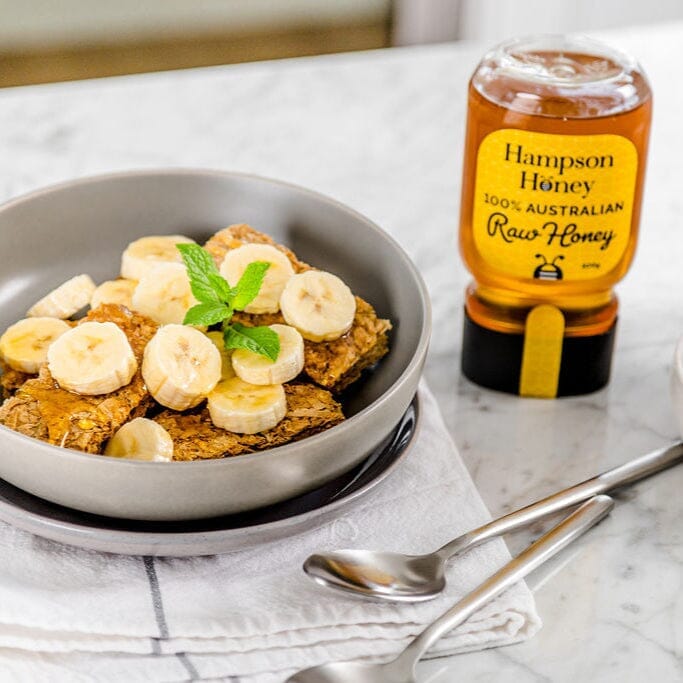
pancakes adding a delightful crunch and sweetness to your meals. Raw honeycomb is unfiltered and preserves natural nutrients, making it a nutritious and delicious addition to your diet.
How to Consume Honeycomb
Honeycomb can be enjoyed in a variety of ways, each offering a unique culinary experience. One of the simplest and most delightful methods is to enjoy it directly from the comb. The honey melts in your mouth, while the wax offers a chewy texture that is both satisfying and intriguing. It is recommended to eat honeycomb raw to preserve its natural flavours and nutrients.
Chunks of honeycomb pair excellently with cheese platters, offering a delightful mix of sweet and savoury flavours. It pairs excellently with various cheeses, such as:
-
Brie
-
Goat cheese
-
Blue cheese making it a great addition to cheese boards. Honeycomb also makes a delightful topping for yogurt, adding a sweet and crunchy texture that enhances the overall taste.
Incorporating honeycomb can enhance your dishes in several ways:
-
Add it to salads to provide a sweet contrast to fresh greens and other toppings.
-
Crumble it over yogurt or oatmeal to enhance both texture and flavour.
-
Use it as a topping on desserts like ice cream or cakes to add sweetness and a unique texture.
-
Add pieces to tea to enhance the flavour of hot beverages, noting that the wax does not dissolve.
Health Benefits of Honeycomb
Honeycomb offers a range of health benefits, making it more than just a sweet treat. The combination of raw honey and beeswax in honeycomb provides unique nutritional and medicinal properties that contribute to overall well-being.
Rich in Antioxidants
Honeycomb contains raw honey, which is rich in antioxidants such as flavonoids and phenolic acids. These antioxidants help neutralise harmful free radicals in the body & reduce oxidative stress in the body.
Natural Anti-Inflammatory Properties
The raw honey in honeycomb has natural anti-inflammatory effects. Consuming honeycomb can help soothe sore throats, reduce coughing, and alleviate inflammation in the digestive tract, promoting better gut health.
Supports Digestive Health
Honeycomb contains prebiotic compounds that nourish beneficial gut bacteria. This supports a healthy microbiome, improving digestion and enhancing nutrient absorption. The beeswax also acts as a source of dietary fiber (roughage), which aids in maintaining regular bowel movements.
Antibacterial and Antimicrobial Effects
Raw honey in honeycomb has powerful antibacterial and antimicrobial properties. It can help inhibit the growth of harmful bacteria and support the immune system in fighting infections. This makes honeycomb a natural remedy for minor wounds and skin irritations when applied topically.
Provides Essential Nutrients
Honeycomb contains trace amounts of vitamins and minerals, including vitamin A, calcium, iron, and magnesium. These nutrients contribute to overall health, supporting immune function, bone strength, and energy metabolism.
Energy Booster
The natural sugars in honeycomb provide a quick source of energy, making it an excellent natural sweetener for athletes and those needing an energy boost without processed sugars.
Allergy Relief
Locally sourced honeycomb may contain small amounts of pollen from local plants, which some people find helpful in reducing seasonal allergy symptoms through gradual exposure.

Potential Risks of Consuming Honeycomb
While honeycomb offers numerous health benefits, there are potential risks associated with its consumption. One of the primary concerns is the presence of clostridium botulinum spores, which can cause botulism, particularly in infants and young children. Pregnant women are also advised against eating honeycomb due to the risk of bacterial contamination.
Additionally, individuals allergic to bee products such as pollen or wax may experience allergic reactions when consuming honeycomb. Those with digestive disorders or weak gut health should also be cautious, as the wax may cause complications.
Furthermore, the high sugar content in honeycomb can lead to spikes in blood glucose levels, making it unsuitable for diabetics. It is essential to consider these potential risks and consult with a healthcare provider if you have any concerns about consuming honeycomb.
Other Uses of Beeswax
Beeswax, a significant component of honeycomb, has a wide range of uses beyond its role in the hive. Honeycomb capping, which is the wax layer that seals the honey in the comb, is a significant source of beeswax. This beeswax is harvested and used in various products, showcasing its versatility and unique properties.
Common products made from beeswax include:
-
Candles
-
Lip balm
-
Body butter
-
Hand salves
-
Furniture polish
-
Leather preservative
-
Fire starters
-
Lubricants
-
Canned food sealants
These products benefit from beeswax’s natural properties, such as its ability to form a protective barrier and its pleasant aroma. Beeswax candles, for example, burn longer and cleaner than traditional paraffin candles, making them a popular choice for eco-conscious consumers.
Beeswax also finds eco-friendly applications, such as creating reusable food wraps that serve as an alternative to plastic. These beeswax wraps are not only sustainable but also effective at preserving food. The most prized type of beeswax is known as first season wax, which is highly valued for its purity and quality. Beeswax’s versatility and eco-friendly nature make it a valuable resource beyond the hive.
Where to Buy Raw Australian Honeycomb
If you’re looking to experience the unique taste and benefits of raw honeycomb, there are several purchasing options available. Raw honeycomb can be bought online from specialty retailers like Natural Life, which sources from reputable Australian beekeepers. You can also find raw honeycomb at health food stores, farmers’ markets, and popular online platforms. Australian honeycomb is typically sold in various sizes, such as 150g and 400g containers, providing options to suit different preferences.
When purchasing raw honeycomb, it’s important to consider local biosecurity laws, as they may restrict the shipment of honeycomb products to certain Australian regions. For added convenience, Simply Honey offers free shipping on all orders over $70.00, with delivery times ranging from 2 to 5 days.
At Natural Life, the price for our Raw Australian Honeycomb is $28.80, making it an accessible and delightful addition to your pantry. Explore the exceptional purity and rich nutrient profile of Australian honeycomb, and enjoy the natural goodness it has to offer.
Summary
Honeycomb is a remarkable creation of nature, showcasing the ingenuity and hard work of honey bees. From its composition of beeswax and honey to the intricate hexagonal structure, honeycomb plays a vital role in the hive’s survival and functionality. The process of wax production and honeycomb construction is a testament to the bees’ ability to create efficient and strong structures that support their colony.
Whether enjoyed for its nutritional benefits or utilised in various products, honeycomb offers a range of uses that go beyond the hive. Its edibility and health advantages make it a unique addition to any diet, while beeswax’s versatility extends to numerous eco-friendly applications. By understanding and appreciating the marvel of honeycomb, we can better support bee conservation efforts and enjoy the natural wonders that these industrious insects provide.
Frequently Asked Questions
Is it healthy to eat honeycomb?
Yes, honeycomb is healthy as it provides essential vitamins, acts as a prebiotic for gut health, and contains fibre that aids digestion. Including it in moderation can contribute positively to your overall well-being.
What is the recommended way to consume Raw Australian Honeycomb?
The best way to consume Raw Australian Honeycomb is to eat it raw, allowing you to fully enjoy its natural flavours and health benefits.
What is the shipping policy for Raw Australian Honeycomb within Australia?
Raw Australian Honeycomb ships for free on orders over $70.00, with a delivery time of 2-5 days.
What is the company's stance on bee conservation?
The company actively supports bee conservation efforts to protect the ecosystem. Their commitment highlights the importance of maintaining biodiversity and supporting environmental health.
What are the storage recommendations for Raw Australian Honeycomb?
Raw Australian Honeycomb should be stored in a cool, dry place and away from direct sunlight to maintain its quality. This ensures it remains fresh and flavourful for an extended period.