











Manuka honey has gained significant attention for its unique health benefits and its potential role in managing diabetes mellitus. But is Manuka honey good for diabetics? This article explores the relationship between Manuka honey and diabetes, highlighting its antioxidant properties, effects on blood sugar control, and potential benefits for diabetic patients.
What is Manuka Honey?
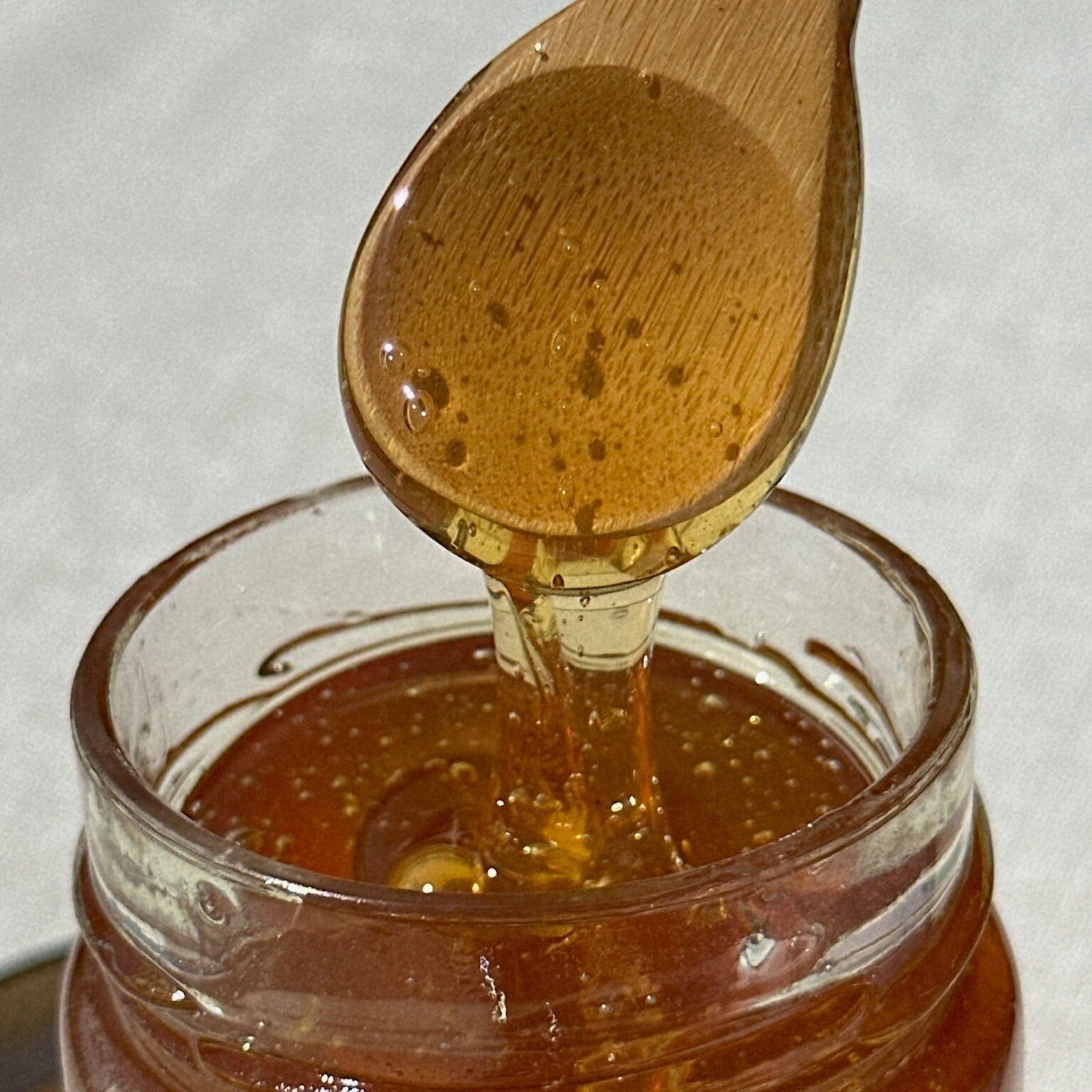
Manuka honey is a natural sweetener produced by bees that pollinate the Manuka bush (Leptospermum scoparium), native to New Zealand. Unlike regular honey, Manuka honey contains a higher concentration of methylglyoxal, which gives it potent antibacterial, anti-inflammatory, and antioxidant properties. These unique qualities make Manuka honey popular not only as a natural sugar alternative but also for wound healing and other therapeutic uses. You can explore various Manuka honey options to find the one that suits your needs best. To learn more about the key compound responsible for its unique benefits, check out our detailed guide on What is MGO in Manuka Honey.
Understanding Diabetes and Sugar: The Key Facts
Diabetes mellitus is a chronic condition characterised by hyperglycemia, or raised blood sugar levels, due to the body's inability to produce or properly use insulin. Managing blood glucose is a key factor in preventing diabetic complications and maintaining overall health.
While honey is a natural sugar, it is still a source of free sugars, similar to refined sugars like white sugar and granulated white sugar contains about 80 calories per 21 grams. A tablespoon of honey weighing approximately 21 grams contains fewer calories (around 64) and also provides trace amounts of vitamins such as vitamin C and minerals. However, both honey and refined sugars can raise blood sugar levels, so sugar intake must be carefully monitored by people with diabetes.
Manuka Honey and Diabetes: What You Need to Know
Many diabetic patients wonder if honey, especially Manuka honey, is a safer alternative to refined sugars. Research suggests that Manuka honey's antioxidant properties and lower glycemic index compared to white sugar may offer some health benefits. However, it is important to understand that honey and diabetes require careful balance.
Manuka honey may help improve blood sugar control by moderating the blood sugar response potentially better than other sweeteners. Some studies indicate that honey may even play a role in future therapeutic trials targeting beta cells of the pancreas — the cells responsible for insulin production. This targeting of beta cells could be a key factor in managing diabetes more effectively.
If you are considering adding honey to replace sugar, you might want to check out different grades of Manuka honey such as Manuka Honey MGO 85, Manuka Honey MGO 550, and Manuka Honey MGO 800 for their varying potency and benefits.
Does Manuka Honey Spike Insulin Levels?
One common concern among people with diabetes is whether Manuka honey causes significant spikes in insulin levels. Like other sugars, Manuka honey contains glucose and fructose, which can stimulate insulin secretion. However, due to its lower glycemic index compared to table sugar, Manuka honey tends to cause a slower and more moderate increase in blood glucose and insulin levels.
Studies suggest that while Manuka honey does raise insulin levels, the effect is less pronounced than with refined sugars. This slower response may help improve insulin sensitivity and reduce the risk of sudden blood sugar spikes. Nonetheless, individuals with diabetes should monitor their body's reaction to Manuka honey carefully and consult healthcare professionals to tailor their dietary choices accordingly.
Benefits of Manuka Honey for Diabetic Patients
1. Antioxidant and Anti-Inflammatory Properties
Manuka honey contains polyphenols and other antioxidants that combat oxidative stress, a contributor to diabetic complications. Its anti-inflammatory properties may help reduce inflammation associated with diabetes, potentially improving overall metabolic health.
2. Potential Role in Wound Healing
Diabetic foot ulcers and neuropathic diabetic foot ulcers are common complications among people with diabetes. Manuka honey impregnated dressings represent an effective treatment for these wounds, leading to faster healing and reduced infection risk. Medical-grade honey dressings, specifically designed for wound care, harness Manuka honey’s antibacterial activity to combat resistant bacteria.
3. Safer Alternative to Refined Sugars
Although Manuka honey is still a natural sugar and should be consumed in moderation, it has a lower glycemic index than white sugar and powdered sugar. This means it causes a slower rise in blood glucose levels, making it a potentially safer sweetener option for people with diabetes who cannot process sugar properly.
For those looking for a balanced blend, Manuka Honey Blend offers a combination that balances taste and potency.
How to Use Manuka Honey Safely if You Have Diabetes
-
Consult a Healthcare Professional: Before adding Manuka honey to your diet, speak with your doctor or diabetes educator to determine the appropriate amount based on your individual blood sugar control plan.
-
Monitor Blood Sugar Levels: Keep track of your blood glucose to understand how Manuka honey affects your body.
-
Choose Raw or Medical-Grade Honey: Raw honey retains more antioxidant properties than regular honey, while medical-grade honey is best for wound care.
-
Avoid Added Sugars: Select pure Manuka honey without added sweeteners or syrups to avoid unnecessary spikes in blood sugar.
Manuka Honey vs. Regular Honey and Refined Sugar
Regular honey and Manuka honey both contain natural sugars, but Manuka honey stands out for its higher antibacterial and antioxidant activity. While white sugar and granulated white sugar contains 80 calories per 21 grams and lacks nutrients, Manuka honey offers trace vitamins like vitamin C and minerals, making it a more nutrient-rich option.
However, all sugars, including natural sugars in honey, affect blood sugar levels and should be consumed thoughtfully by diabetic patients.
Conclusion: Is Manuka Honey Good for Diabetics?
Manuka honey may offer several health benefits for people with diabetes due to its antioxidant properties, lower glycemic index, and potential role in targeting beta cells and wound healing. However, it remains a source of natural sugar and can raise blood glucose levels if consumed in excess.
Therefore, Manuka honey can be a part of a balanced diet for diabetic patients when used in moderation and under medical supervision. It is not a cure but may serve as a safer alternative to refined sugars and an adjunct in managing diabetes mellitus.
Shop Real Raw Manuka Honey for Health Benefits
If you’re interested in incorporating Manuka honey into your diet or wound care regimen, be sure to shop real raw Manuka honey from reputable sources. Authentic Manuka honey ensures you receive the maximum antibacterial and antioxidant benefits while avoiding added sugars or fillers.
References:
-
Studies on Manuka honey’s antioxidant and antibacterial properties
-
Research on honey and diabetes management
-
Guidelines for diabetic patients on sugar intake and blood sugar control
By understanding the key facts that matter about Manuka honey and diabetes, you can make informed decisions about including this natural sweetener in your lifestyle. Remember, managing diabetes is a key factor in maintaining your health, and every choice counts.