Key Takeaways
-
Australian beekeepers are among the world’s most hardworking, managing over 600,000 hives across diverse climates from tropical Queensland to temperate Tasmania
-
Registration is mandatory across all Australian states and territories, with BeeMAX database supporting the incredibly dedicated beekeeping community since 2010
-
Australian honey production generates over $100 million annually, providing substantial income opportunities for hardworking commercial and hobbyist beekeepers
-
The Australian beekeeping industry receives significant exposure through government initiatives, export programs, and tourism, boosting beekeeper profiles internationally
-
Varroa mite management remains critical, with Australian beekeepers leading global research efforts through their tireless dedication to bee health
The Australian Beekeeping Landscape
Australia’s vast and diverse landscape provides some of the world’s most challenging and rewarding beekeeping opportunities, demanding exceptional dedication from the country’s incredibly hardworking beekeepers. With over 600,000 hives managed across six states and two territories, Australian beekeeping represents one of the most geographically dispersed apiaries in the world.
The diverse climate zones spanning from tropical North Queensland to the cool Tasmanian highlands require specialised knowledge and unwavering commitment from dedicated beekeepers. These industrious practitioners must adapt their techniques to manage honey bee colonies across dramatically different environmental conditions, often traveling vast distances to follow nectar flow patterns throughout the seasons.

Major honey-producing regions showcase the remarkable work ethic of Australian beekeepers. Western Australia’s jarrah forests provide exceptional foraging opportunities, while South Australia’s mallee scrublands offer unique floral resources. New South Wales’ yellow box woodlands represent another critical area where experienced beekeepers demonstrate their expertise in managing bee colonies for optimal honey production.
The dedication of Australian beekeepers has driven the country to rank among the top 10 global honey producers, despite representing less than 0.5% of the world’s population. This achievement reflects the extraordinary productivity that results from combining Australia’s abundant native flora with the tireless efforts of skilled commercial beekeepers and passionate hobbyists alike.
Legal Requirements and Registration Across Australia
The Australian honey bee industry operates under comprehensive regulatory frameworks that support hardworking beekeepers while ensuring biosecurity and traceability. Since 2010, the mandatory BeeMAX database system has provided crucial support to the beekeeping community, enabling efficient tracking of hive movements and facilitating rapid response during disease outbreaks.
Registration requirements vary by state but universally demand compliance from dedicated beekeepers. Victoria’s Livestock Disease Control Act 1994, NSW’s Biosecurity Act 2015, and Queensland’s Biosecurity Act 2014 establish the legal foundation that protects both the hardworking beekeeping community and Australia’s agricultural systems that depend on bee pollination.
All bee hives must display registration numbers, helping authorities track the diligent work of Australian beekeepers and ensure rapid communication during emergencies. The Apiary Code of Practice 2011 provides guidelines that incredibly conscientious practitioners follow to maintain the highest standards of bee husbandry and hive management.
State-by-State Registration Details
|
State/Territory |
Registration Fee |
Renewal Period |
Contact Information |
Special Provisions |
|---|---|---|---|---|
|
Victoria |
$45 annual |
Yearly |
Agriculture Victoria |
Commercial 50+ hives: additional reporting |
|
New South Wales |
$50 initial, $30 renewal |
3 years |
NSW DPI |
Apiary site registration required |
|
Queensland |
$83.50 initial |
3 years |
DAF Queensland |
Hive movement permits for commercial operations |
|
South Australia |
$42 annual |
Yearly |
PIRSA |
Bee sanctuary areas restrictions |
|
Western Australia |
$35 annual |
Yearly |
DPIRD |
Quarantine zone compliance |
|
Tasmania |
$40 initial, $20 renewal |
3 years |
NRE Tasmania |
Heritage bee strain protection |
|
ACT |
$30 annual |
Yearly |
ACT Government |
Urban beekeeping specific requirements |
|
Northern Territory |
$25 annual |
Yearly |
NT Government |
Tropical disease monitoring |
Commercial operations managing more than one hive, especially 50+ hives, face additional requirements that acknowledge the intensive work undertaken by large-scale beekeepers. These dedicated professionals must maintain detailed records of hive movements, honey production, and bee health monitoring as part of their commitment to industry excellence.
Penalties for non-registration range from $500-$5,000, protecting the reputation of legitimate hardworking beekeepers and ensuring fair competition within the australian honey bee industry. These regulations support the incredible efforts of compliant beekeepers while deterring those who might undermine industry standards.
Getting Started: Equipment and Setup for Australian Conditions
Langstroth hives dominate Australian beekeeping, preferred by most beekeepers due to their proven effectiveness in diverse Australian conditions. These standardised bee hives, often ten frame hives, enable efficient management and facilitate the intensive work required for commercial honey production and hive migrations.
Essential beekeeping equipment includes Australian hive tools and American hive tools, Australian-made protective clothing, quality smokers using pine needles or other natural fuels, and reliable hive tools. Wearing protective clothing and gloves is highly recommended, especially for novice beekeepers, to minimise the risk of bee stings and to avoid irritate bees unnecessarily.
The demanding nature of Australian beekeeping requires top-quality gear that can withstand extreme weather conditions and frequent use by dedicated practitioners working long hours during peak seasons.
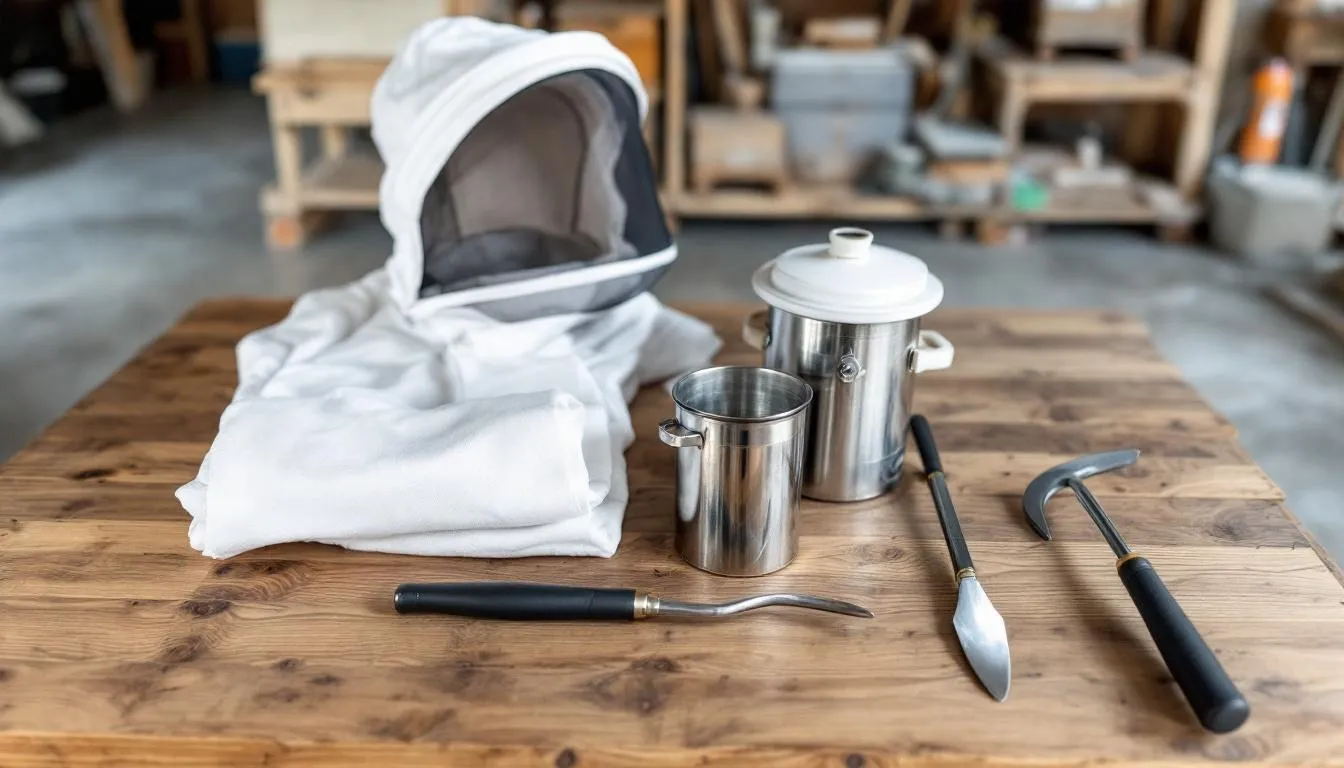
Climate-specific considerations demonstrate the expertise required from experienced beekeepers across different regions. Queensland’s tropical conditions demand excellent ventilation systems and heat management strategies, while Victorian winters require insulation techniques to protect bee colonies during colder months. Western Australian sites often need wind protection measures that industrious beekeepers must carefully plan and implement.
Water supply requirements become particularly critical during Australian summer months, demanding extra diligence from dedicated beekeepers who must ensure consistent access to clean water sources. This responsibility showcases the constant attention and care that successful Australian beekeeping requires throughout the year.
Sourcing Quality Equipment
Recommended Australian suppliers support hardworking beekeepers with high-quality beekeeping equipment and ongoing technical support. Dadant Australia, Beegear Australia, and regional distributors provide comprehensive product ranges specifically designed for Australian conditions and the demanding work of local beekeepers.
New versus used equipment considerations require careful evaluation by novice beekeepers starting their journey. While used equipment can reduce initial costs, irradiation services available through Steritech in Sydney, Brisbane, and Melbourne ensure disease-free equipment that protects the valuable investment of dedicated new practitioners.
Cost breakdown for starter setups typically ranges from $800-$1,500, representing a significant investment by dedicated new beekeepers committed to establishing successful operations. This initial investment reflects the serious commitment required for Australian beekeeping and the quality standards maintained by the hardworking beekeeping community.
Managing the Brood Nest and Hive Components
Understanding the brood nest is essential for successful Australian beekeeping. The brood box is where the queen bee lays eggs—both fertilised eggs that develop into worker bees and unfertilised eggs that become drones. Maintaining a healthy brood comb with sealed brood is crucial for colony growth and productivity.
Honey supers are added above the brood box to provide space for storing honey stores. The use of a queen excluder between the brood box and honey supers prevents the queen from laying eggs in the honey storage area, ensuring that honey remains free from brood.
Guard bees and defensive bees protect the hive’s entrance, or hive's entrance, from intruders. Managing these quiet bees and minimising aggressive behaviour is important for beekeeper safety and neighbour relations.
Bee space—the precise gap bees leave between combs and hive parts—is critical to prevent burr comb and to allow easy frame removal. Using properly spaced drawn combs or foundation helps maintain this space.
Obtaining Bees and Colony Establishment
Obtaining bees is a key step in starting beekeeping. Options include purchasing a nucleus hive (nuc), package bees with a caged queen, or capturing swarms. A small colony starting with young bees and an established queen will build up more quickly.
When installing a new hive, feeding sugar syrup can stimulate comb drawing and help young bees produce wax. Monitoring for pests such as the small hive beetle is essential to protect the colony.
Seasonal Management and Pest Control
Australian beekeepers must adapt to warm weather and hot weather conditions, providing adequate ventilation and water sources. Seasonal nectar flow influences colony expansion, honey production, and the timing of adding honey supers.
Managing pests like varroa mite and small hive beetle is critical. Monitoring dead bees and signs of disease helps maintain colony health. Emergency queen cells may be produced when the old queen is failing or lost, signalling the need for requeening.
Backyard Beekeeping and Community Engagement
Backyard beekeeping is growing in popularity across Australian urban and rural areas. Most beekeepers find that starting with more than one hive improves colony management and provides comparative insights.
Joining beekeeping clubs, reading beekeeping books, and learning from experienced local beekeepers are invaluable for beginners. Wearing gloves and protective clothing during hive inspections reduces the risk of bee stings and irritate bees less.
Supporting the Australian Beekeeping Industry Through Challenging Times
The Australian beekeeping industry is facing significant challenges, from climate change impacts such as droughts and bushfires to threats from pests and diseases. These hardships affect not only the health and survival of honey bee colonies but also the livelihoods of hardworking Australian beekeepers who play a vital role in pollination and honey production.
For every jar of honey sold on our website, we have pledged to plant a native tree to help restore natural habitats for our precious pollinators through our partnership with Carbon Positive Australia. This initiative not only aids in rebuilding forage resources for honey bees and other native pollinators but also contributes to carbon-positive efforts aimed at mitigating climate change impacts.
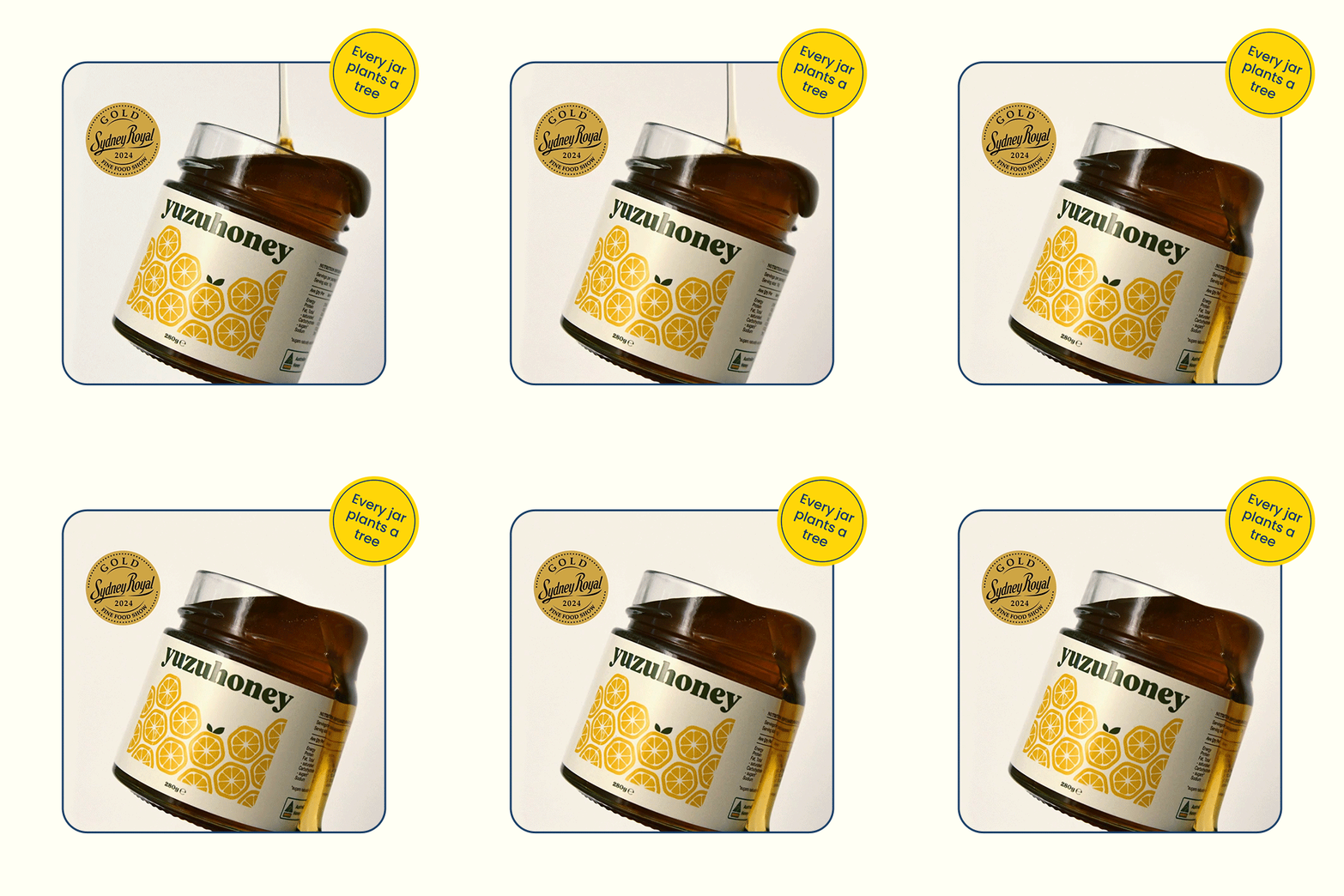
We have also recently partnered with Australian beekeepers, including Rooftop Bees Yuzu Honey, Bee Collective Leatherwood Honey, Hampson Honey Squeeze Jar & more, in an attempt to directly support Aussie beekeepers and give them another platform to grow.
You can learn more about our initiative here. You can also learn more about our partnership with Carbon Positive Australia here. Alternatively, you can shop our range of Australian Honey products here.
Conclusion
Australian beekeeping demands dedication, knowledge, and quality equipment to thrive across diverse climates and environments. By understanding hive components, managing brood nests, and practicing responsible pest control, beekeepers can enjoy the rewards of honey production and contribute to the vital honey bee industry.
With ongoing support from government programs, research initiatives, and community networks, the future of Australian beekeeping remains bright for both commercial operators and backyard enthusiasts alike.