



Key Takeaways
-
Australian manuka honey is produced from Leptospermum flowers and contains methylglyoxal (MGO), offering potent antibacterial and healing properties that surpass regular honey varieties
-
MGO ratings range from 30+ for daily wellness to 1500+ for maximum therapeutic benefits, with higher concentrations providing stronger medicinal effects for serious health conditions
-
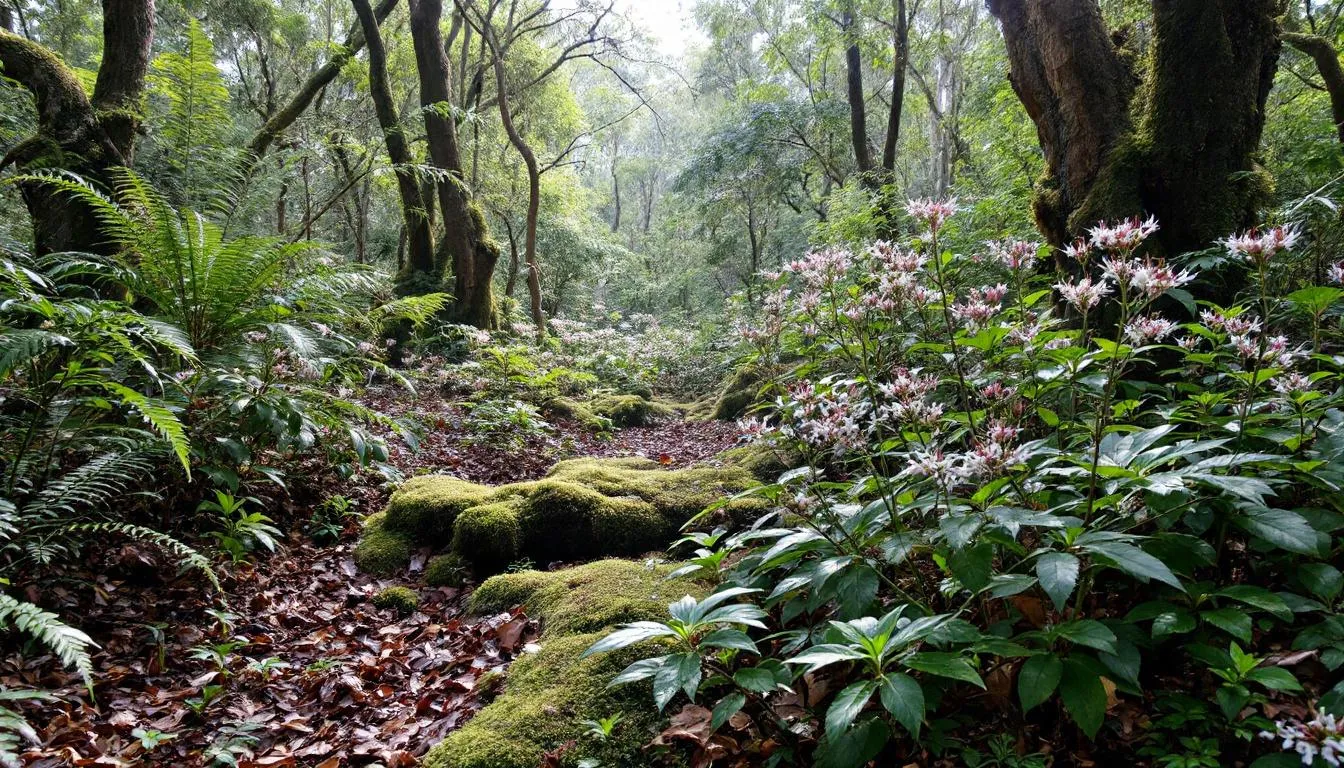
Australia’s pristine bushland environment and over 80 native Leptospermum species create unique manuka honey varieties primarily sourced from Northern NSW, Queensland, and Western Australia
-
Medical-grade Australian manuka honey receives TGA approval and is used in hospitals worldwide for wound care, burn treatment, and infection control applications
-
Authentic products display clear MGO ratings and Australian Manuka Honey Association certification, ensuring laboratory-tested quality and genuine therapeutic potency
In Australia’s pristine bushland, over 80 species of Leptospermum flowers produce what many consider the world’s most potent antibacterial honey. This active Australian manuka honey has gained international recognition for its exceptional healing properties, backed by rigorous scientific research and clinical applications. Unlike regular honey varieties, Australian Manuka honey contains unique compounds that provide remarkable therapeutic benefits, making it a cornerstone of natural medicine and wound care protocols worldwide.

The growing body of research supporting Manuka honey’s medicinal applications has led to its adoption in hospitals, clinics, and homes across the globe. From treating wounds and burns to supporting digestive health and immune function, this extraordinary honey offers a natural alternative to conventional treatments. Understanding MGO ratings, authenticity markers, and proper applications ensures you harness the full therapeutic potential of this remarkable Australian product.
What is Australian Manuka Honey?
Australian Manuka honey is a specialised honey produced by bees that collect nectar primarily from native Leptospermum species flowers found throughout Australia’s diverse landscapes. Unlike regular honey, this unique variety contains exceptionally high levels of methylglyoxal (MGO), a powerful compound responsible for its potent antibacterial and healing properties.
The key difference lies in the unique compounds present in Australian Manuka honey. While all honeys contain some level of hydrogen peroxide that provides mild antimicrobial effects, Manuka honey’s antimicrobial properties stem from non-peroxide compounds, particularly MGO. This methylglyoxal forms naturally from dihydroxyacetone (DHA) present in Leptospermum nectar, creating a stable antibacterial agent that remains active even when diluted or exposed to light and heat.
Australia’s primary production regions span across Northern NSW, Southeast Queensland, and Western Australia, where specialist beekeepers maintain hives near wild Leptospermum populations. The east coast regions particularly benefit from ideal growing conditions, including pristine soils, favourable climate patterns, and minimal industrial pollution that could affect the purity of the final honey product.
The Australian Manuka Honey Association (AMHA) plays a crucial role in maintaining industry standards and authenticity verification. This organisation ensures that all certified Australian Manuka honey meets strict quality criteria, including laboratory testing for MGO levels, DHA content, and the presence of leptosperin - a compound unique to Leptospermum honeys that serves as an authenticity marker.
What makes Manuka honey unique extends beyond its chemical composition to include its therapeutic applications. Medical-grade varieties receive approval from the Therapeutic Goods Administration (TGA) for use in wound care, skin conditions, and oral health applications. This regulatory approval sets Australian Manuka honey apart from conventional honey products and establishes it as a legitimate therapeutic agent in clinical settings.
For those interested in exploring AMHA approved Australian Manuka Honey, you can find a variety of Australian Manuka Honey products here.
MGO vs UMF: Australian vs New Zealand Manuka Honey
When comparing Australian and New Zealand Manuka honey, it’s important to understand the differences between the MGO and UMF rating systems used to indicate their antibacterial potency. Australian Manuka honey primarily uses the MGO (methylglyoxal) scale, which directly measures the concentration of the key antibacterial compound in milligrams per kilogram. This method provides a precise and stable indication of the honey’s strength.
In contrast, New Zealand Manuka honey commonly employs the UMF (Unique Manuka Factor) rating, which reflects a combination of factors including methylglyoxal, dihydroxyacetone (DHA), and leptosperin levels. While UMF offers a broader assessment of honey quality, it is less direct than the MGO measurement and can be influenced by additional compounds.
Both rating systems serve to assure consumers of the honey’s authenticity and therapeutic potential, but the MGO scale’s straightforward quantification is favoured in Australia for its scientific clarity. Despite these differences, research shows that high-quality Manuka honey from both countries delivers potent antibacterial effects, with Australian varieties often achieving comparable or even higher MGO concentrations.
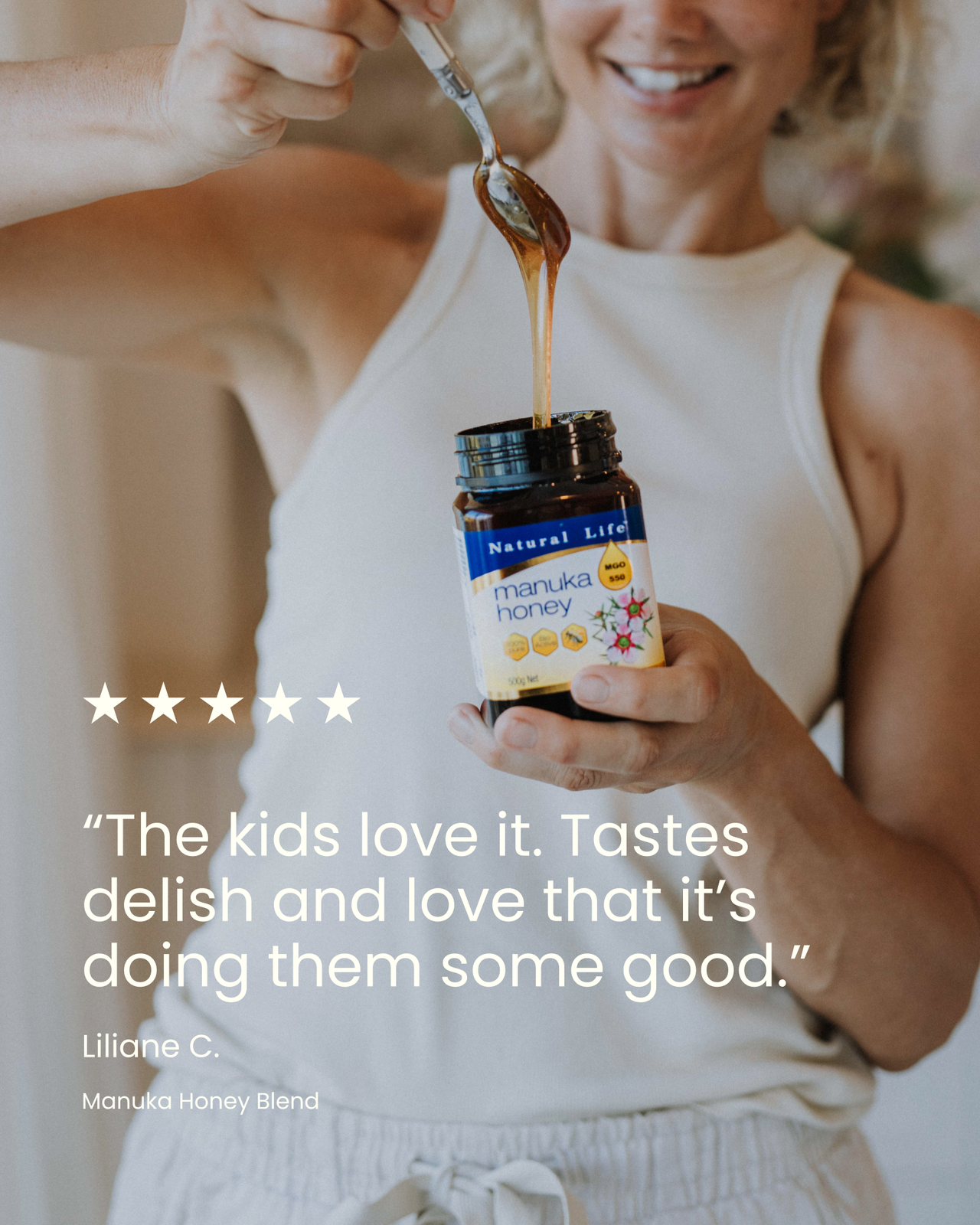
Understanding these rating distinctions helps consumers make informed choices when selecting Manuka honey, whether from Australia or New Zealand, based on their preferred measurement system and desired potency. Popular Australian Manuka honey products with different MGO numbers include the Manuka Honey Blend, MGO 85+, MGO 550+, and MGO 800+ varieties.
Australian vs New Zealand Manuka Honey
The comparison between Australian and New Zealand Manuka honey reveals significant differences in environmental factors, plant diversity, and production characteristics that affect the final product’s quality and therapeutic potential.
Australia’s unique environmental advantages begin with its pristine bushland environments that remain largely untouched by industrial pollution. The country’s vast landmass provides diverse microclimates and soil compositions that support over 80 different Leptospermum species, compared to New Zealand’s primary reliance on Leptospermum scoparium. This species diversity creates multiple variants of Manuka honey with distinct flavour profiles and therapeutic properties.
The distinctive Australian environmental factors include mineral-rich soils, varied rainfall patterns, and extended flowering seasons that allow bees to collect nectar over longer periods. These conditions contribute to higher concentrations of beneficial compounds and more complex flavour development. Specialist beekeepers working across Northern NSW and Queensland report consistently high DHA levels in nectar, which converts to MGO during honey maturation.
Research comparing Australian Manuka honey with New Zealand varieties has shown comparable or superior antibacterial activity in many Australian samples. The Australian Manuka Honey Association claims that rigorous testing has demonstrated Australian Manuka honey can achieve the highest MGO levels available commercially, with some batches exceeding 1500+ MGO rating.
The legal landscape surrounding Manuka honey has created ongoing disputes between Australia and New Zealand over trademark protection and naming rights. New Zealand producers have sought exclusive rights to the “Manuka” designation in various international markets, while Australian producers argue that the term should remain generic since Leptospermum species are native to both countries. This legal battle affects international marketing and consumer recognition but doesn’t impact the inherent quality of Australian Manuka honey.
Comparative studies examining both countries’ products have found that Australian Manuka honey often exhibits unique characteristics not found in New Zealand varieties. These include different flavour profiles - some Australian honeys are described as having more complex, less medicinal tastes - and varying concentrations of secondary compounds that may contribute to therapeutic effects.
The world market increasingly recognises Australian Manuka honey as a distinct and valuable product category. International research institutions and medical facilities have begun specifying Australian sources for clinical studies, recognising the unique properties derived from Australia’s diverse Leptospermum species and pristine environmental conditions.
Quality Standards and Authenticity
Ensuring the authenticity and quality of Australian Manuka honey requires adherence to strict standards and verification processes that protect consumers from counterfeit products while guaranteeing therapeutic potency.
The Australian Manuka Honey Association maintains comprehensive quality standards that all certified products must meet. These standards require complete production within Australia using only nectar from native Leptospermum species. Every batch undergoes independent laboratory testing to verify MGO levels, confirm the presence of DHA (the precursor compound), and detect leptosperin - a unique marker found exclusively in Leptospermum honeys.
Laboratory testing protocols employ high-performance liquid chromatography (HPLC) to provide precise quantification of active compounds. This scientific approach eliminates guesswork and ensures that labelled potency levels accurately reflect the honey’s therapeutic potential. Third-party testing facilities must meet international accreditation standards to qualify for AMHA certification programmes.
The Therapeutic Goods Administration (TGA) approval process represents the highest standard for medical-grade Australian Manuka honey products. TGA-approved honeys undergo additional testing and quality control measures that validate their safety and efficacy for medical applications. These products are suitable for use in hospitals, clinics, and professional healthcare settings.
Cold extraction methods play a crucial role in preserving the natural properties of authentic Australian Manuka honey. Processing temperatures must remain below 34°C to maintain the integrity of heat-sensitive compounds and prevent degradation of therapeutic agents. This careful handling preserves the honey’s raw characteristics while ensuring safety standards.

Organic principles guide many Australian producers, who maintain hives in areas free from pesticides and industrial contamination. These beekeepers follow sustainable practices that protect both bee health and honey purity. Regular testing ensures that organic certified products meet strict standards for chemical residues and environmental contamination.
Authentic labelling requirements mandate clear display of MGO ratings, country of origin, and certification marks. Consumers should look for specific indicators including AMHA certification logos, laboratory test certificates, and detailed batch information. Products lacking these authenticity markers may not provide the expected therapeutic benefits.
How to Choose the Right Australian Manuka Honey
Selecting the appropriate Australian Manuka honey depends on intended use, personal preferences, and budget considerations. Understanding these factors ensures optimal therapeutic benefits while maximising value for specific health needs.
Selecting MGO Strength Based on Intended Use
For daily wellness and immune health support, MGO 100+ to 250+ provides excellent value and gentle therapeutic effects. These concentrations work well for incorporating into a daily routine through consumption in smoothies, on toast, or directly by the spoon. They offer meaningful health benefits without the higher cost of ultra-potent varieties.
Therapeutic applications requiring stronger antibacterial effects benefit from MGO 550+ to MGO 800+ ratings. These potency levels effectively address sore throats, minor wounds, and skin conditions while providing robust antimicrobial protection. Healthcare providers often recommend this range for patients seeking natural alternatives to conventional treatments.
Serious medical conditions and wound care applications may require MGO 1200+ or higher concentrations. These high-potency products deliver maximum therapeutic benefit but require careful use and often professional guidance. The investment in higher MGO ratings pays dividends when dealing with resistant infections or challenging healing situations.
Taste Preferences and Flavour Profiles
Australian Manuka honey offers multiple variants in flavour and texture due to the diverse Leptospermum species involved in production. Some varieties present smooth, mild flavours suitable for those who have tasted harsh medicinal honeys and prefer more palatable options. Others offer robust, complex flavours that appeal to users seeking traditional Manuka characteristics.
The texture can range from liquid to thick, jelly-like consistency, particularly in higher MGO concentrations. Some users prefer the thicker texture for topical applications, while others favour liquid honey for mixing into beverages or culinary use.
Frequently Asked Questions
How does Australian Manuka honey compare to regular honey in terms of antibacterial activity?
Regular honey contains hydrogen peroxide that provides mild antimicrobial effects, but this activity is easily neutralised by enzymes present in wounds and body fluids. Australian Manuka honey’s potent antibacterial properties come from methylglyoxal (MGO), which remains stable and active even when diluted or exposed to catalase enzymes. Research shows that Manuka honey can inhibit antibiotic-resistant bacteria like MRSA at concentrations where regular honey shows no effect. The unique compounds in Manuka honey also provide anti-inflammatory and wound healing benefits not found in conventional honey varieties.
Can I use Australian Manuka honey if I have diabetes or need to watch my sugar intake?
Australian Manuka honey is still a natural sugar and will affect blood glucose levels, so diabetics should consult their healthcare provider before incorporating it into their routine. However, some research suggests that Manuka honey may have a lower glycaemic index than regular sugar and could potentially offer metabolic benefits. When using topically for wound care, the sugar content is less concerning since absorption through skin is minimal. For individuals monitoring sugar intake, the therapeutic benefits may justify small amounts when used medicinally rather than as a general sweetener.
What’s the difference between raw Australian Manuka honey and medical-grade varieties?
Raw Australian Manuka honey undergoes minimal processing and retains all natural enzymes, pollen, and beneficial compounds. Medical-grade varieties receive additional sterilisation treatments to eliminate any potential harmful microorganisms while preserving therapeutic properties. TGA-approved medical-grade honey meets strict safety standards for use in clinical settings and on open wounds. Both types contain the same levels of MGO and therapeutic compounds, but medical-grade products offer additional safety assurance for vulnerable patients or serious medical applications. Raw honey is perfectly suitable for general health use and minor wound care.
How long does Australian Manuka honey last and what are signs it has gone bad?
Properly stored Australian Manuka honey can last indefinitely due to its natural preservative properties and low moisture content. However, for optimal therapeutic potency, use within 3-5 years of production. Signs of deterioration include significant colour changes, off odours, or unusual texture changes beyond normal crystallisation. Crystallisation is normal and doesn’t indicate spoilage - simply warm the honey gently to return it to liquid form. Store in a cool, dry place in the original container to maintain quality. MGO levels remain stable over time, so therapeutic potency doesn’t diminish with age when stored properly.
Is it safe to give Australian Manuka honey to children and infants?
Never give any honey, including Australian Manuka honey, to infants under 12 months of age due to the risk of infant botulism. Children over one year can safely consume Manuka honey in age-appropriate amounts, typically starting with small quantities (1/4 to 1/2 teaspoon) to assess tolerance. For topical applications on minor cuts or scrapes, Manuka honey is generally safe for children when applied to intact skin. Always supervise children when using honey and consult paediatric healthcare providers for guidance on therapeutic applications. The natural antibacterial properties make it an excellent addition to children’s first aid care when used appropriately.