







Key Takeaways
-
Propolis offers powerful antimicrobial, anti-inflammatory, and antioxidant properties that support immune system function and fight infections
-
It accelerates wound healing, treats skin conditions, and provides effective relief for oral health issues like gingivitis and mouth ulcers
-
Scientific research shows propolis benefits include treating cold sores, supporting gastrointestinal health, and potentially preventing certain cancers
-
Available in multiple forms including extracts, creams, capsules, and lozenges, with typical dosages ranging from 15-30 drops daily for extracts
-
While generally safe for most people, propolis can cause allergic reactions, especially in individuals sensitive to bee products

For thousands of years, honey bees have been creating one of nature’s most potent healing compounds, yet many people remain unaware of its remarkable therapeutic potential. Propolis, often called bee glue, represents a sophisticated biological defence system that bees use to protect their colonies—and this same protective power can benefit human health in extraordinary ways.
From ancient Egyptian mummification processes to modern clinical research, this resin-like substance has demonstrated consistent antimicrobial properties, wound healing capabilities, and immune system support. Today’s scientific understanding reveals that the benefits of propolis extend far beyond traditional applications, offering evidence-based solutions for respiratory infections, skin conditions, oral health problems, and even serious diseases like cancer.
This comprehensive guide explores the extensive health benefits related to propolis supplementation, proper usage guidelines, and important safety considerations to help you make informed decisions about incorporating this powerful natural compound into your wellness routine.
Understanding Propolis and Its Primary Health Benefits
Propolis is a complex resin-like substance that honey bees create by combining tree buds, sap, and plant exudates with their own beeswax and saliva enzymes. This bee glue serves as nature’s ultimate protective barrier, sealing gaps in the hive while providing antiseptic and healing product properties that keep the colony healthy.
The chemical composition of propolis varies based on geographic location and local flora, but typically contains over 300 bioactive compounds including flavonoids, phenolic acids, terpenes, and essential oils. What makes propolis constituents particularly remarkable is their concentration—this natural substance contains 500 times more bioflavonoids than oranges, contributing to its exceptional antioxidant activity.

Historical records dating back to 300 BC document propolis use in ancient Egyptian, Greek, and Roman civilisations for treating wounds, infections, and various ailments. Ancient physicians recognised what modern science now confirms: propolis collected by bees creates a powerful therapeutic agent with multiple biological activities.
The core therapeutic properties of propolis include:
-
Antimicrobial activity: Effective against bacteria, viruses, fungi, and parasites
-
Anti-inflammatory properties: Reduces inflammation through multiple pathways
-
Antioxidant properties: Neutralises free radicals and supports cellular health
-
Immunomodulatory effects: Enhances immune system function and response
-
Wound healing acceleration: Promotes tissue regeneration and repair
The nutritional composition includes 12 different flavonoids concentrated within the resin, along with phenolic acids, vitamins B1, B2, B6, C, and E, plus essential minerals like zinc and iron. This rich profile of bioactive compounds works synergistically to deliver the many health benefits that make propolis such a valuable natural medicine.
Caffeic acid phenethyl ester (CAPE), one of the most studied propolis constituents, demonstrates particularly potent anti-inflammatory and neuroprotective effects. This compound, along with other flavonoids like pinocembrin and galangin, contributes significantly to propolis’s therapeutic potential across multiple health conditions.
Immune System and Respiratory Health Benefits
One of the most well-documented benefits of propolis lies in its ability to strengthen immune system function and combat upper respiratory tract infections. The immunomodulatory properties of propolis help regulate immune responses, making them more effective against pathogens while reducing excessive inflammatory reactions.
Clinical studies demonstrate that oral propolis supplementation significantly reduces the duration and severity of common colds, flu, and other respiratory infections. The antimicrobial properties target multiple pathogens simultaneously, including bacteria that cause sinusitis, bronchitis, and pneumonia, while antiviral compounds inhibit viral replication in respiratory tissues.

Research shows propolis extract can reduce cold symptoms by up to 2.5 times faster than conventional treatments alone. The biological activity against respiratory viruses includes inhibiting viral entry into cells and reducing viral load during active infections. This makes propolis particularly valuable during flu season or when exposed to respiratory pathogens.
The mechanism behind these immune system benefits involves several pathways:
-
Enhanced antibody production and immune cell activation
-
Increased natural killer cell activity against infected cells
-
Stimulation of interferon production for antiviral defence
-
Reduction of inflammatory cytokines that worsen respiratory symptoms
-
Support for mucous membrane integrity and function
For upper respiratory tract infections, propolis tincture or propolis extract provides both direct antimicrobial effects and immune system support. The pleasant aromatic smell of many propolis products comes from volatile compounds that also contribute to respiratory benefits when inhaled.
Regular propolis use during cold and flu season may help prevent infections or reduce their severity. The protective effects extend to the entire respiratory system, from nasal passages to lung tissues, creating a comprehensive defence against seasonal illnesses.
Individuals with chronic respiratory conditions like asthma or allergic rhinitis may find propolis supplementation helpful for managing symptoms, though those with bee product allergies should exercise caution and perform sensitivity testing before use.
Skin Health and Wound Healing Benefits
The wound healing properties of propolis have been recognised since ancient times, and modern research confirms its exceptional ability to accelerate tissue repair while preventing infections. The biological properties that make propolis effective for skin health include antimicrobial activity, anti-inflammatory effects, and stimulation of new cell growth.
Studies comparing propolis treatment to conventional therapies show remarkable results. For burn healing, topical propolis demonstrates superior anti-inflammatory effects compared to dexamethasone, a powerful synthetic anti-inflammatory drug. The healing process accelerated significantly when propolis solution was applied to burn wounds, with reduced scarring and faster tissue regeneration.

For cold sores caused by herpes simplex virus, propolis treatment proves more effective than conventional medications like aciclovir. Clinical trials show that applying propolis cream with 0.5% to 3% concentration five times daily reduces healing time and symptom severity. The antiviral properties target the virus directly while anti-inflammatory compounds reduce pain and swelling.
Diabetic foot ulcer treatment represents another significant application for topical propolis. The antimicrobial properties prevent secondary bacterial infections while enhanced collagen production promotes proper wound closure. Patients using propolis treatment show improved healing rates compared to standard wound care protocols alone.
The mechanism of wound healing includes:
-
Stimulation of collagen synthesis and tissue regeneration
-
Enhanced blood flow to affected areas
-
Antimicrobial protection against opportunistic infections
-
Reduction of inflammatory markers that delay healing
-
Promotion of healthy granulation tissue formation
Various skin lesions respond well to topical therapy with propolis, including:
-
Minor cuts, scrapes, and abrasions
-
Acne and inflammatory skin conditions
-
Eczema and dermatitis
-
Post-surgical wound sites
-
Chronic wounds that resist conventional treatment
The protective barrier formed by propolis applications helps maintain optimal moisture levels while allowing proper air circulation. This creates ideal conditions for natural healing processes while protecting against environmental contaminants.
For best results, clean wounds thoroughly before applying propolis cream or solution. The antimicrobial activity begins immediately upon application, while healing benefits accumulate with consistent use over several days to weeks depending on wound severity.
Oral Health and Dental Care Benefits
The oral health benefits of propolis make it a valuable addition to dental care routines, with research demonstrating significant effects against oral microorganisms that cause common dental problems. The antibacterial properties specifically target harmful bacteria while supporting beneficial oral flora balance.
Dental plaque formation, a primary cause of tooth decay and gum disease, is significantly reduced when propolis products are used regularly. The biological activity against plaque-forming bacteria like Streptococcus mutans helps prevent the biofilm formation that leads to cavities and periodontal disease.
For gingivitis and periodontal disease, the anti-inflammatory properties of propolis reduce gum inflammation while antibacterial activity eliminates pathogenic bacteria in periodontal pockets. Clinical studies show measurable improvements in gum health within 2-4 weeks of regular propolis use.
Mouth ulcers and canker sores heal faster with propolis treatment due to the combined antimicrobial and healing effects. The protective barrier formed by propolis applications reduces pain while accelerating tissue repair. Many patients report significant symptom relief within 24-48 hours of initial application.
The oral health applications include:
-
Propolis toothpaste: Daily use prevents plaque buildup and supports gum health
-
Propolis mouthwash: Rinses reduce harmful bacteria and freshen breath
-
Propolis lozenges: Slow dissolution provides prolonged antimicrobial activity
-
Propolis gel: Direct application to problem areas for targeted treatment
Bad breath (halitosis) often improves with regular propolis use as antimicrobial compounds eliminate odour-causing bacteria. The pleasant aromatic smell of propolis products also provides immediate breath freshening effects.
Post-surgical healing in the oral cavity benefits significantly from propolis applications. Dental professionals increasingly recommend propolis products for patients recovering from tooth extractions, implant placement, or periodontal surgery due to the enhanced healing process and reduced infection risk.
Research indicates that propolis use may also help prevent oral candidiasis (thrush), particularly in immunocompromised patients or those taking antibiotics. The antifungal properties target Candida species while supporting normal oral microbiome recovery.
For optimal oral health benefits, use propolis products as directed and maintain regular dental hygiene practices. The antimicrobial activity complements but does not replace proper brushing, flossing, and professional dental care.
Gastrointestinal Health Benefits
The gastrointestinal health benefits of propolis extend throughout the digestive system, offering natural solutions for common stomach problems and supporting overall digestive wellness. The antimicrobial properties prove particularly effective against Helicobacter pylori, the bacteria responsible for most peptic ulcers and chronic gastritis.
Clinical research demonstrates that propolis extract significantly reduces H. pylori bacterial load in infected patients, often achieving results comparable to conventional antibiotic treatments. The biological activity against these anaerobic bacteria helps heal existing ulcers while preventing new formations. This represents a valuable alternative treatment for patients who cannot tolerate standard antibiotic regimens.
For gastroesophageal reflux disease (GERD), propolis provides protective effects by coating the oesophagus and stomach lining. The anti-inflammatory properties reduce tissue irritation while promoting healing of damaged mucous membranes. Many patients report reduced heartburn and acid reflux symptoms with regular propolis supplementation.
The digestive benefits include:
-
Enhanced gut microbiota balance: Supports beneficial bacteria while reducing harmful pathogens
-
Improved enzyme activity: Assists with protein, carbohydrate, and fat digestion
-
Reduced inflammatory markers: Decreases intestinal inflammation and irritation
-
Accelerated healing: Promotes repair of damaged intestinal lining
-
Pathogen resistance: Protects against Salmonella, E. coli, and Shigella infections
For infantile gastroenteritis, controlled studies show that propolis treatment reduces recovery time and improves electrolyte absorption. The gentle antimicrobial activity eliminates pathogenic bacteria while supporting normal intestinal function recovery.
Patients with inflammatory bowel syndrome (IBS) may find propolis helpful for managing symptoms like abdominal pain, bloating, and irregular bowel movements. The anti-inflammatory properties reduce intestinal irritation while antimicrobial effects address potential bacterial overgrowth.
Chronic constipation often improves with propolis supplementation as the compounds support healthy gut motility and reduce inflammation that can interfere with normal bowel function. The protective effects on intestinal mucosa create better conditions for regular elimination.
For optimal gastrointestinal benefits, take propolis extract on an empty stomach to maximise absorption and direct contact with digestive tissues. The ethanol extract formulations typically provide the most concentrated active compounds for internal use.
Individuals with severe digestive disorders should consult healthcare professionals before starting propolis treatment, especially if taking medications for gastric acid reduction or inflammatory bowel conditions.
How to Use Propolis Safely and Effectively
Understanding proper propolis use ensures maximum therapeutic benefits while minimising potential risks. The substance is available in multiple forms, each suited for specific applications and health conditions.
Available Forms and Applications:
-
Capsules and tablets: Convenient for internal use with standardised dosing
-
Liquid extracts and tinctures: Flexible dosing for both internal and topical use
-
Propolis creams and ointments: Designed for skin conditions and wound healing
-
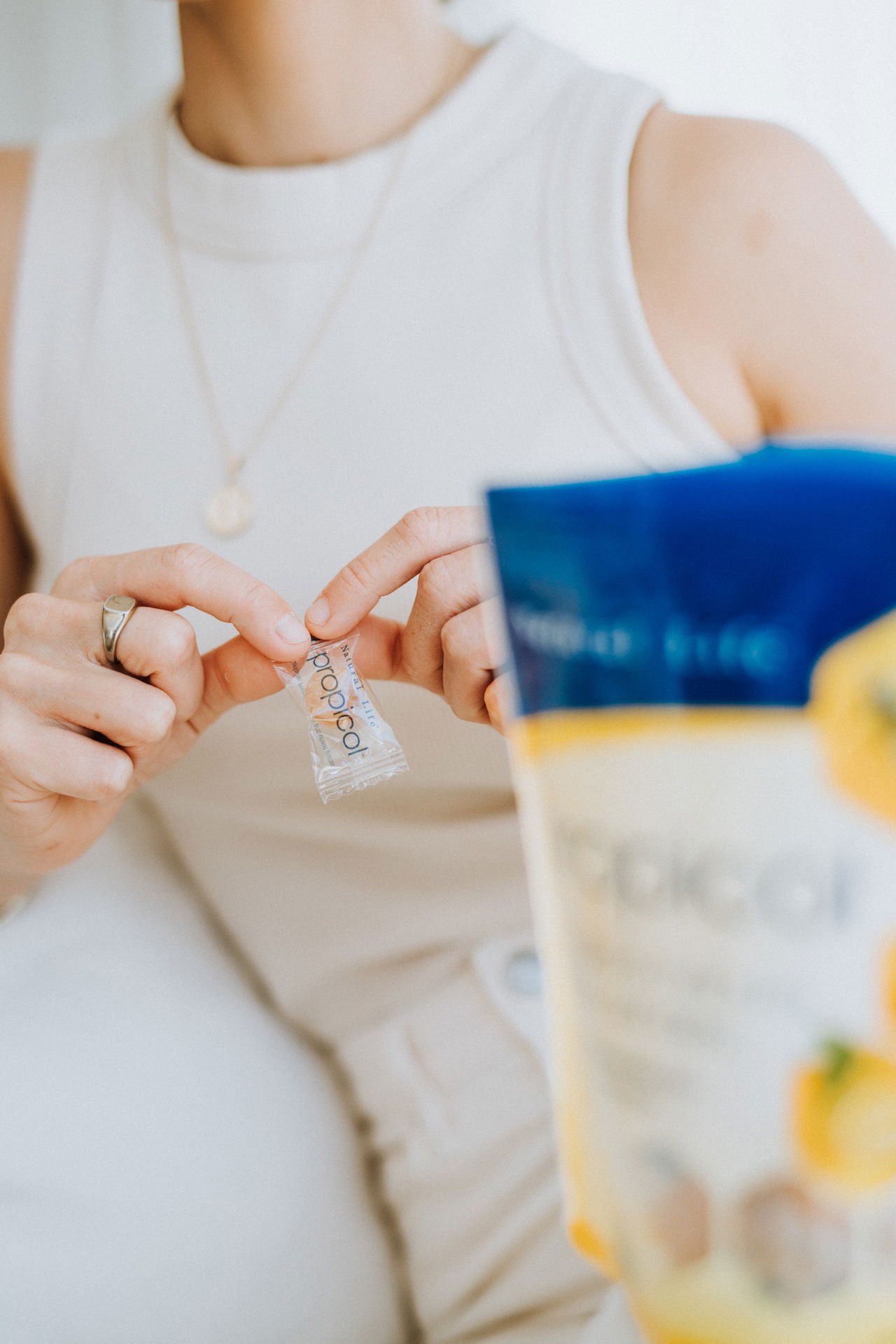
Lozenges and syrups: Targeted for oral and respiratory health
-
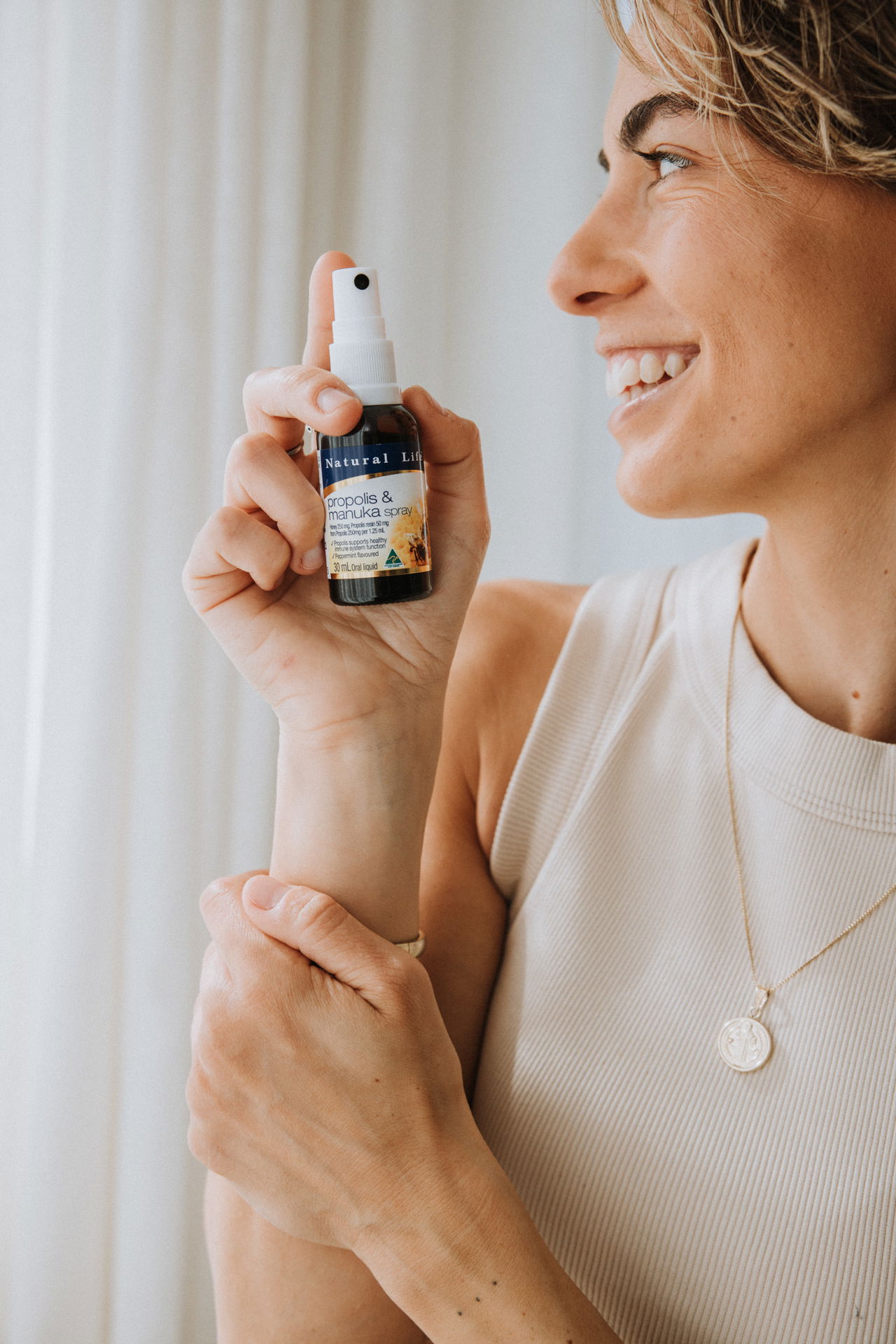
Propolis Sprays: Sore throats & immune health.

Dosage Guidelines:
For general health maintenance, typical dosages range from 15-30 drops of propolis tincture daily, or 400-500 mg in capsule form. These amounts have been safely used in clinical studies for up to 13 months without significant adverse effects.
Specific Application Methods:
-
Cold sores: Apply 0.5%-3% propolis cream five times daily
-
Wound healing: Clean area thoroughly, then apply thin layer of propolis solution 2-3 times daily
-
Oral health: Use propolis mouthwash twice daily or suck on lozenges as needed
-
Respiratory support: Take recommended dose of oral propolis at first sign of symptoms
Preparation Guidelines:
Raw propolis requires careful preparation before use. The collected propolis must be dissolved in ethanol or another suitable solvent to create usable extracts. Commercial propolis products undergo standardised processing to ensure consistent potency and safety.
When using propolis solution topically, start with lower concentrations to assess skin tolerance. The antimicrobial activity remains effective at relatively low concentrations, so higher strengths are not necessarily better.
Best Practices for Different Conditions:
-
Taking propolis for immune support: Begin supplementation before flu season for best preventive effects
-
Wound care: Combine with proper wound cleaning and monitoring for signs of infection
-
Digestive health: Take on empty stomach for maximum absorption
-
Oral applications: Allow sufficient contact time for antimicrobial activity
Always store propolis products according to manufacturer instructions to maintain potency. The chemical properties remain stable when properly stored, but exposure to heat, light, or moisture can reduce effectiveness.
Side Effects, Precautions, and Safety Guidelines
While propolis is generally safe for most people, understanding potential side effects and precautions is essential for safe use. The most significant concern involves allergic reactions, particularly in individuals with sensitivities to bee products.
Common Allergic Reactions:
The primary safety concern with propolis use is the potential for allergic reaction, which can range from mild skin irritation to more severe systemic responses. Symptoms may include:
-
Swelling, redness, and itching at application sites
-
Hives or skin rash with oral use
-
Mouth irritation or burning sensation
-
Respiratory symptoms like coughing or wheezing
-
In rare cases, severe allergic reactions requiring emergency medical treatment
Sensitivity Testing Method:
Before using any propolis product extensively, perform a simple sensitivity test: apply 2 drops of propolis extract to your forearm and wait 20-30 minutes. If no redness, swelling, or irritation occurs, the product is likely safe for your use.
Special Population Considerations:
-
Pregnancy: Safety data is insufficient to recommend propolis use during pregnancy
-
Breastfeeding: May be safe up to 300 mg daily, but consult healthcare providers first
-
Children: Use only under medical supervision with appropriate dosing adjustments
-
Elderly patients: May be more sensitive to effects; start with lower doses
Frequently Asked Questions
How long does it take to see results from propolis supplementation?
The timeline for experiencing benefits varies significantly depending on the specific health condition and individual factors. For acute conditions like cold sores or minor wounds, you may notice improvements within 24-48 hours of starting topical propolis treatment. Respiratory infections typically respond within 3-5 days of oral propolis use. For chronic conditions like digestive issues or ongoing skin problems, consistent use for 2-4 weeks is usually necessary to see meaningful improvements. Preventive benefits for immune system support may take 4-6 weeks of regular supplementation to become apparent.
What’s the difference between raw propolis and propolis extracts in terms of effectiveness?
Raw propolis contains the full spectrum of bioactive compounds as collected by bees, but it requires processing before safe human consumption. The hard, resinous texture makes it difficult to use directly, and it may contain impurities like bee parts, pollen, or environmental contaminants. Propolis extracts undergo standardised processing that concentrates the active compounds while removing impurities, making them more convenient and reliable for therapeutic use. Standardised extracts typically provide more consistent potency and bioavailability compared to raw propolis, though both forms can be effective when properly prepared and used.
How can I tell if I’m allergic to propolis before using it for the first time?
The most reliable way to test for propolis sensitivity is to perform a patch test before full use. Apply a small amount (2 drops) of diluted propolis extract to the inside of your forearm and cover with a bandage. Wait 20-30 minutes, then check for any signs of reaction such as redness, swelling, itching, or burning. If no reaction occurs, you can likely use propolis safely. However, if you have known allergies to bee products, honey, bee pollen, or plant resins, you should avoid propolis entirely or consult an allergist before attempting any testing. People with severe asthma or multiple environmental allergies should also exercise extra caution and consider professional allergy testing before use.